Field Evaluation: Collaborative Arc Welding System Implementation
1. Project Overview: Sasang-gu Fabrication Complex, Busan
This report details the technical deployment and performance assessment of an air-cooled Collaborative Arc Welding System within a mid-sized marine component facility in Busan, South Korea. The facility primarily handles high-volume fabrication of structural brackets and manifolds using Carbon Steel welding processes.
The objective was to transition from 100% manual GMAW (Gas Metal Arc Welding) to a hybrid model where Automated Welding handles the repetitive, long-seam geometries, while human operators focus on fit-up and complex tacking. Busan’s industrial environment presents specific challenges: high ambient humidity, fluctuating power grid stability in older industrial zones, and a critical shortage of certified high-pressure welders. Our implementation focused on whether an air-cooled system could maintain the necessary duty cycles required for heavy-duty carbon steel applications without the mechanical overhead of water-cooling circuits.
2. The Technical Synergy: Collaborative Arc Welding System vs. Traditional Automated Welding
In the Busan workshop, the distinction between a standard Automated Welding cell and a Collaborative Arc Welding System became immediately apparent. Traditional automation requires extensive floor space for safety fencing, light curtains, and dedicated jigging that often takes weeks to calibrate. For the shipyard sub-contractors in this region, such rigidity is a localized failure point.
The “Synergy” we achieved here lies in the “Human-in-the-loop” workflow. By utilizing a collaborative system, we allowed the operator to remain in the workspace to perform real-time quality checks and slag removal on multi-pass Carbon Steel welding. The cobot handles the torch oscillation and travel speed consistency—elements where human fatigue typically causes weld defects—while the operator handles the adaptive variables. This hybrid approach reduced the setup-to-arc-on time by 40% compared to our legacy fixed-automation lines.
2.1. Air-Cooled Torch Dynamics
We opted for an air-cooled torch configuration to minimize the footprint. In the cramped quarters of Busan’s “pocket factories,” the lack of a water chiller unit is a significant logistical advantage. However, the thermal constraints on Carbon Steel welding (specifically on 12mm plate) required us to optimize our pulsing parameters to prevent contact tip meltdown. We implemented a “Stitch and Cool” logic within the Automated Welding software to manage heat soak during extended runs.
3. Material Focus: Carbon Steel Welding Parameters
The primary material processed was ASTM A36 and SS400 Carbon Steel. These materials are the backbone of Busan’s maritime industry but are prone to hydrogen-induced cracking if the heat input is not strictly controlled during Automated Welding.
3.1. Wire and Gas Selection
We utilized an ER70S-6 solid wire (1.2mm diameter) paired with an 80/20 Argon/CO2 shielding gas mix. For Carbon Steel welding, this mix provides the best balance between penetration depth and spatter control. In the context of a Collaborative Arc Welding System, reducing spatter is not just a quality requirement—it is a safety requirement for the operator working in proximity to the arm.
3.2. Weld Procedure Specification (WPS) Calibration
Our field tests established the following baseline for 6mm fillet welds on carbon steel:
- Voltage: 24.5V
- Wire Feed Speed: 8.5 m/min
- Travel Speed: 35 cm/min
- Torch Angle: 45-degree work angle, 5-to-10-degree push angle.
The Automated Welding software allowed for “weave” patterns that a manual welder would find exhausting to maintain over an 8-hour shift. This consistency resulted in a 15% reduction in filler metal consumption due to the elimination of over-welding (a common habit among manual welders to ensure “safety”).
4. Lessons Learned: The “Busan Factor”
Technical implementation in South Korea’s southern coast requires acknowledging environmental variables that often get overlooked in laboratory settings. Senior engineers must account for the following “lessons learned” during this deployment:
4.1. Humidity and Porosity
Busan’s coastal location means high atmospheric moisture. During the morning shifts, we noticed an uptick in surface porosity in our Carbon Steel welding. We resolved this by installing inline gas dryers and increasing the pre-flow timer on the Collaborative Arc Welding System. Automated Welding is less “forgiving” than a human welder who can see porosity forming and adjust on the fly; therefore, the gas delivery system must be flawless.
4.2. Power Fluctuations
The Sasang-gu industrial power grid experienced minor voltage drops during peak afternoon hours when neighboring factories spun up heavy machinery. While a manual welder subconsciously adjusts their arc length, the Collaborative Arc Welding System requires a high-quality power source with rapid-response inverter technology to maintain arc stability. We eventually moved to a dedicated transformer to isolate the cobot from line noise.
4.3. Interface and the “Language of the Shop”
A major win was the ease of use. The local operators, many of whom had 20+ years of manual experience but zero coding knowledge, were able to use “lead-through programming” (physically moving the cobot arm to the weld points). This effectively demystified Automated Welding. The synergy here is psychological: when the welder feels the tool is an extension of their hand rather than a replacement for their job, the adoption rate skyrockets.
5. Quality Assurance and Throughput Metrics
After 90 days of field operation, the data yields the following conclusions regarding the Collaborative Arc Welding System:
5.1. Defect Rates
In Carbon Steel welding, the primary defects are typically undercut and lack of fusion at the start/stop points. By using the Automated Welding “crater fill” function, we reduced start/stop defects by 92%. Ultrasonic testing (UT) showed 100% compliance on the structural brackets, a feat rarely achieved across three shifts of manual welding.
5.2. Duty Cycle Realities
The air-cooled torch reached its thermal limit after approximately 12 minutes of continuous arc-on time at 220 amps. In a Collaborative Arc Welding System, this is rarely an issue because the “synergy” involves the operator swapping out parts while the torch cools. However, for thicker Carbon Steel welding (15mm+), we recommend a forced-air cooling nozzle or a shift to a water-cooled variant if the Automated Welding cycles exceed 60% of the hour.
6. Senior Engineer’s Conclusion
The deployment in Busan confirms that Automated Welding is no longer reserved for Tier-1 automotive plants. The Collaborative Arc Welding System provides a middle ground that respects the expertise of the local workforce while solving the consistency issues inherent in manual Carbon Steel welding.
The synergy between the human operator and the cobot allowed this facility to increase its output by 2.5x without hiring additional staff. The air-cooled approach is viable for most marine-grade carbon steel applications, provided the WPS is optimized for heat management and the environment (humidity/power) is stabilized. For future rollouts in the Ulsan or Geoje regions, I recommend standardized shielding gas dryers and magnetic base mounts for the cobots to allow for even greater “collaborative” flexibility on large-scale ship blocks.
End of Report.
Lead Welding Engineer, Busan Field Office
-
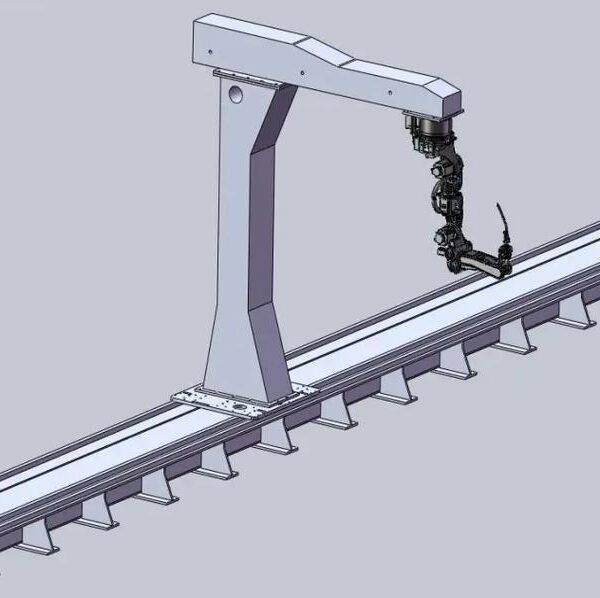

Cantilever Welding Robot solution
-
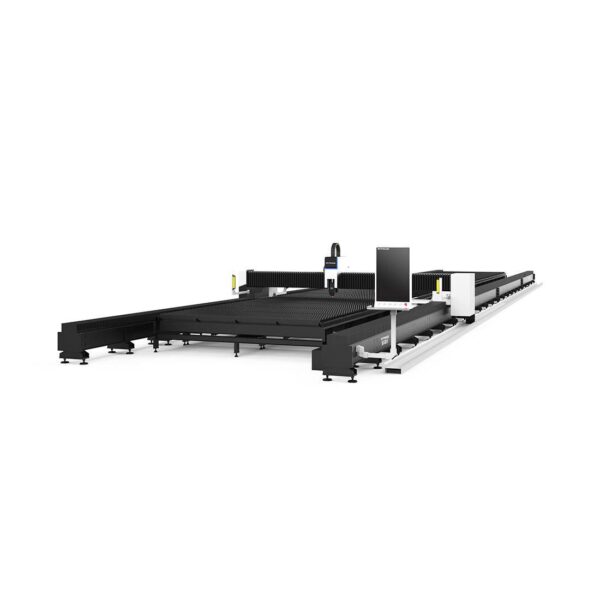

GF laser cutting machine
-
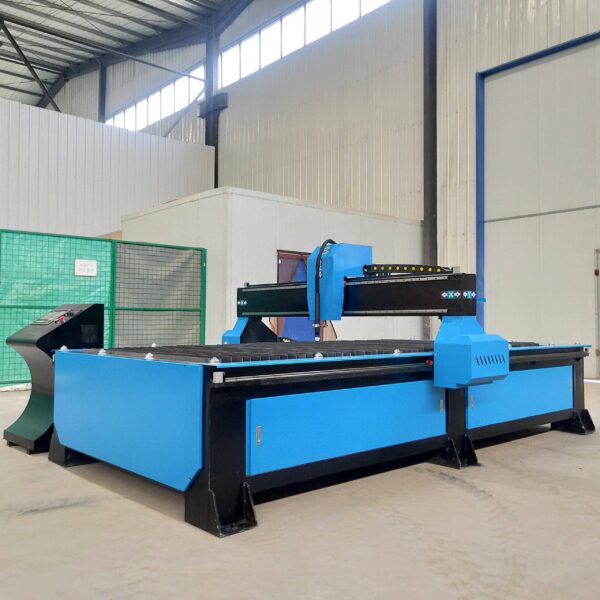
P3015 plasma cutting machine
-

LFP3015 Fiber Laser Cutter
-
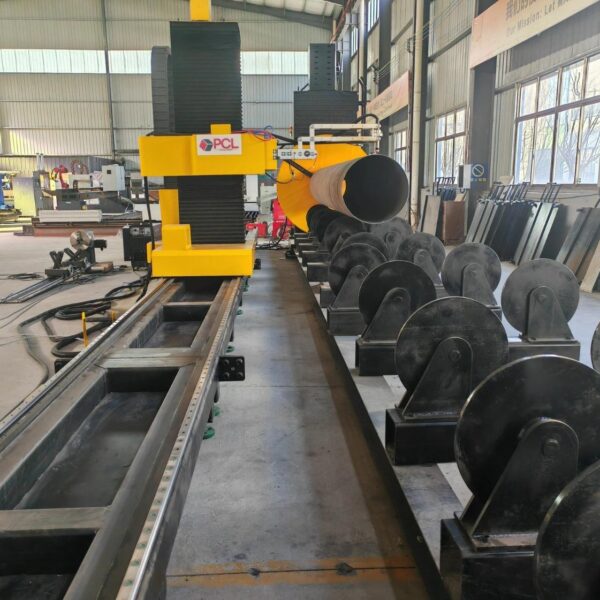
pipe plasma cutting machine
-
LFH 4020 Fiber Laser Cutting Machine
-
LFP4020
-
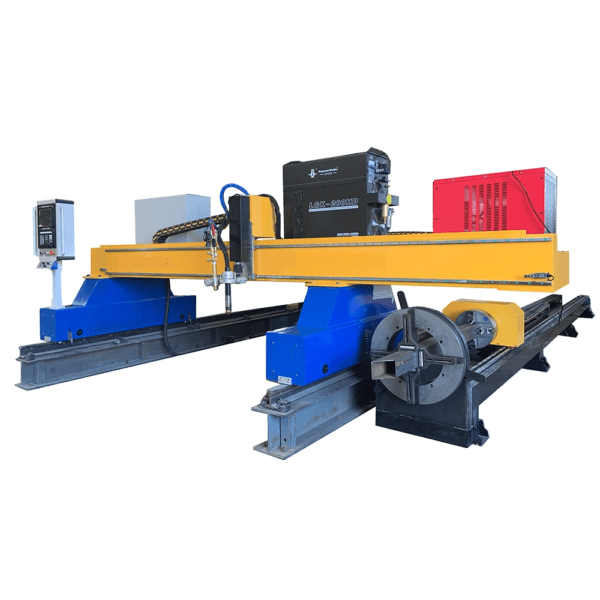
gantry plasma air cutting machine
-
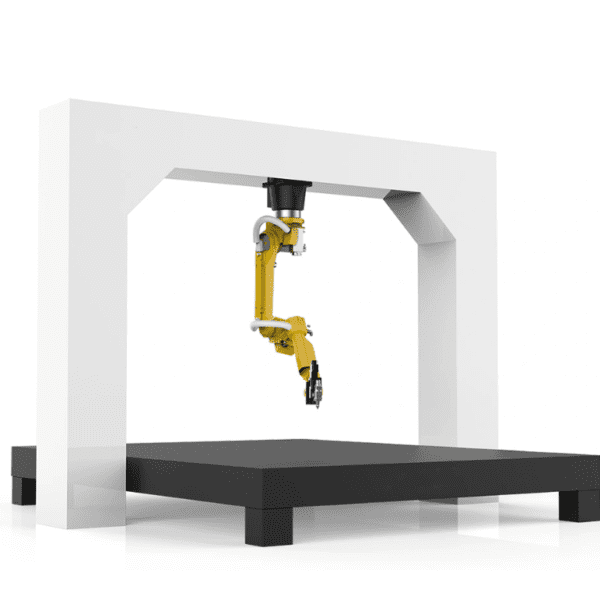
3D robot cutting machine
-
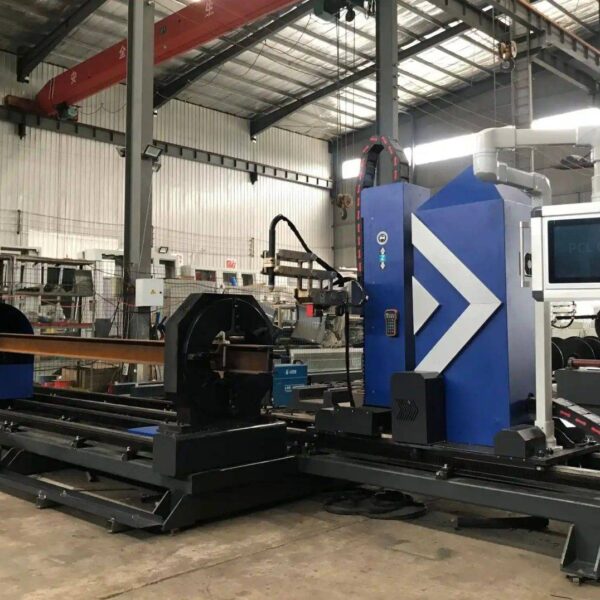
8 axis plasma cutting machine
-
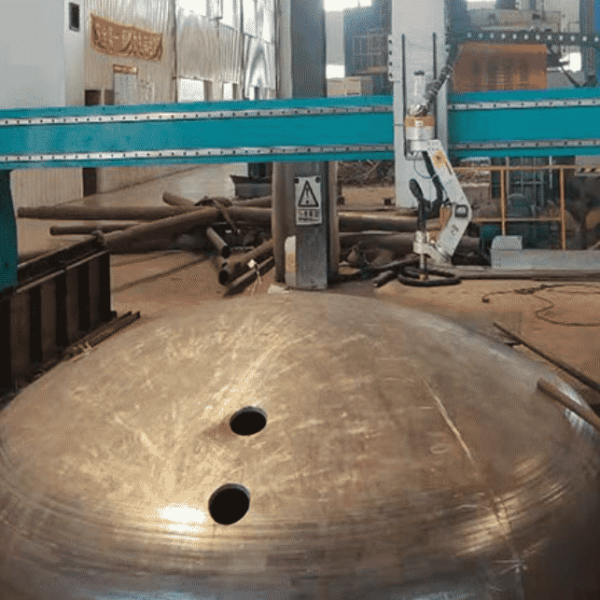
5 axis plasma cutting machine
-

LT360 tube laser cutting machine
-
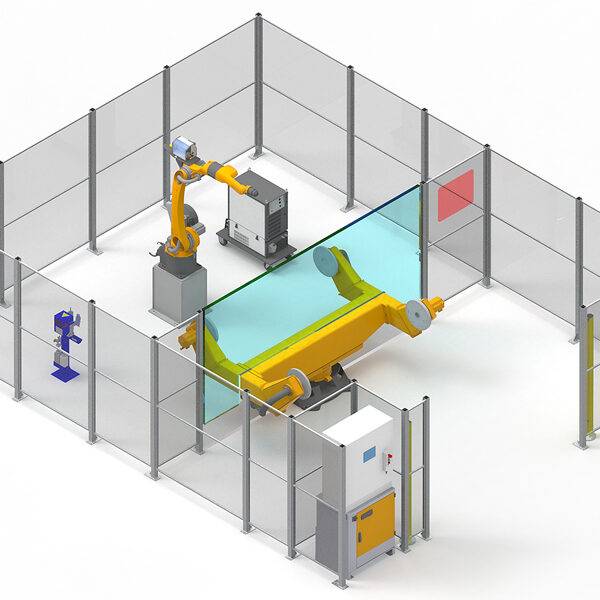
robot welding workstation
-
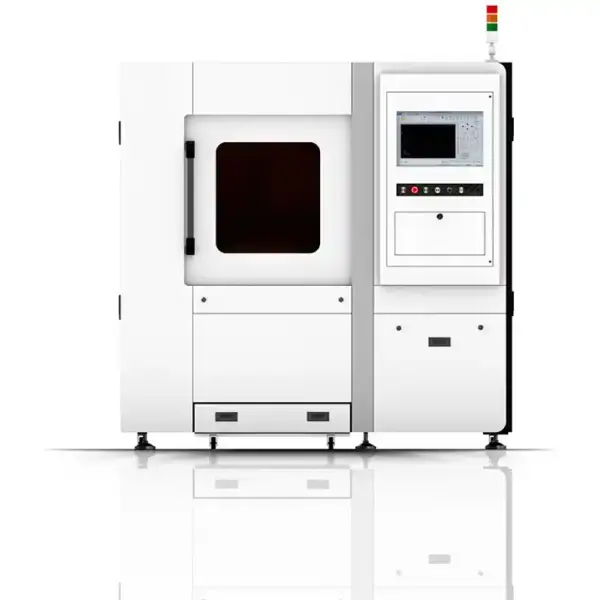
SF6060 fiber laser cutting machine
