Beam Processing Center with Narrow Gap welding for for Construction Machinery
In this article
Optimizing Heavy Structural Fabrication: Plasma Cutting and Narrow Gap Integration
In the heavy construction machinery sector, the demand for high-load structural components requires a transition from traditional fabrication methods to integrated Beam Processing Center workflows. The primary objective is to achieve maximum structural rigidity with minimum material waste and labor intervention. Central to this evolution is the utilization of advanced 3D plasma cutting systems designed specifically for H-beam and I-beam profiles. Unlike standard plate cutting, beam processing involves complex multi-axis geometries where Intersection Accuracy determines the success of subsequent assembly and welding phases.
The synergy between precision plasma cutting and Narrow Gap Welding represents a significant leap in industrial engineering. Construction machinery, such as crane booms, excavator frames, and chassis components, faces extreme cyclic loading. Traditional welding preparations often involve wide groove angles that require excessive filler metal and multiple passes, leading to higher thermal distortion. By leveraging the geometric capabilities of robotic plasma heads, engineers can implement narrow gap preparations that reduce the weld volume by up to 40%, provided the cutting accuracy is maintained within sub-millimeter tolerances.
The Role of Precision Plasma Cutting in Modern Beam Centers
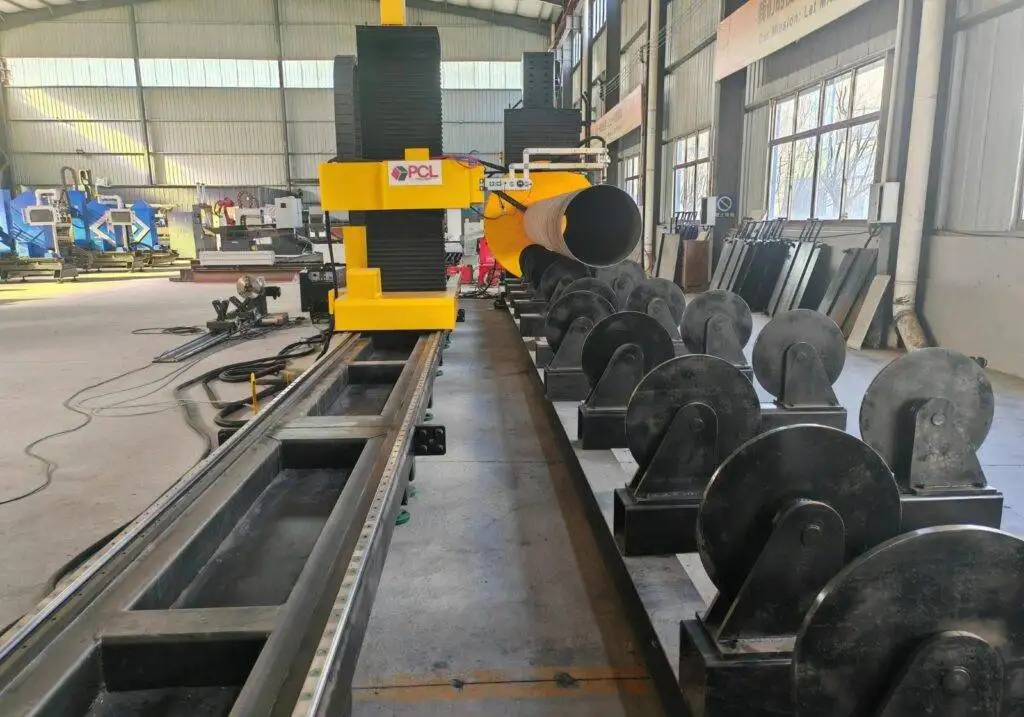
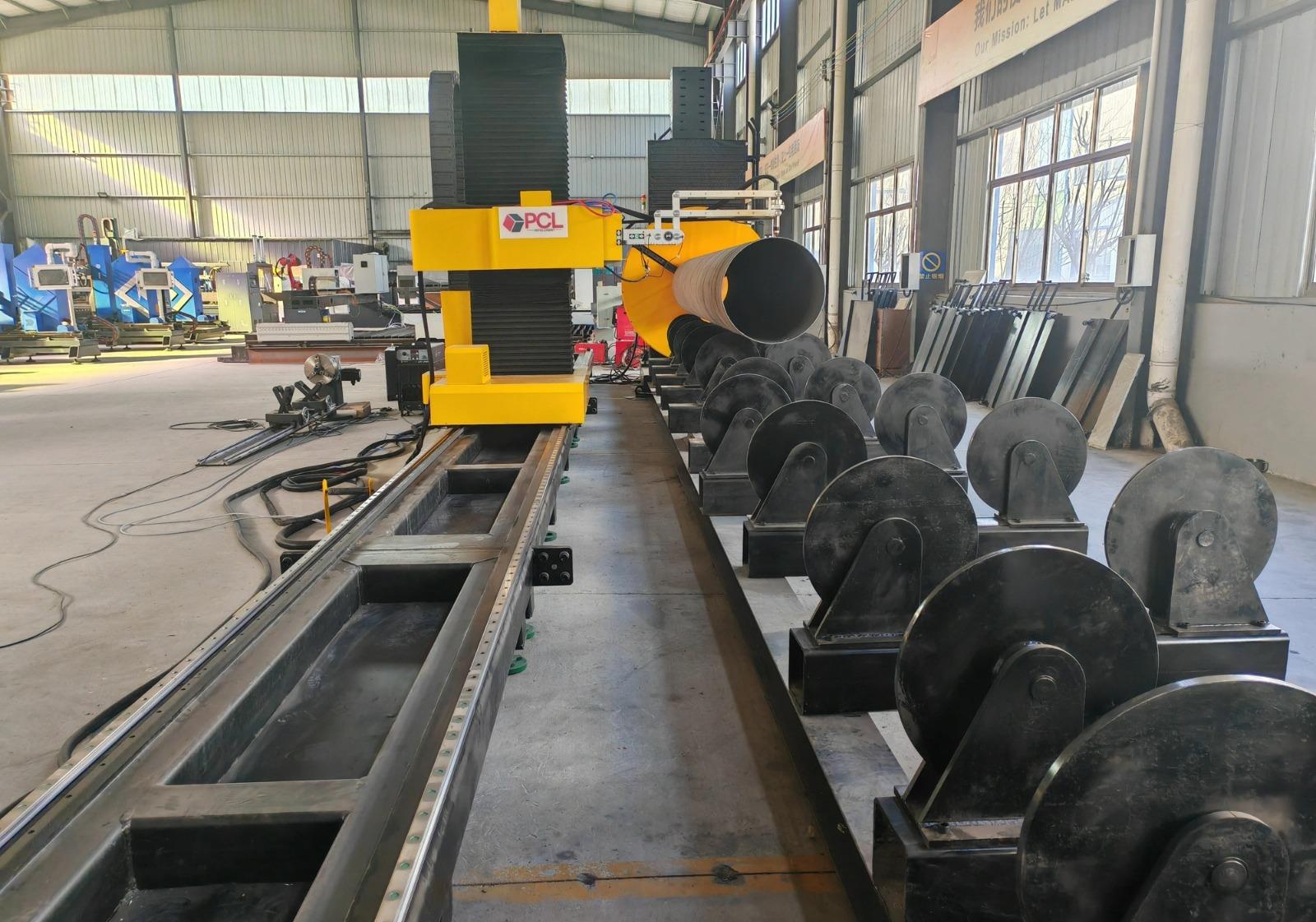
The Plasma Cutting process in a beam processing center is not merely a separation tool but a complex machining operation. for Construction Machinery, where H-beams are often used as the backbone of the chassis, the precision of the cut face is paramount. Modern systems utilize 8-axis robotic configurations to navigate the flange and web surfaces of the beam. This allows for the creation of intricate bolt holes, copes, and weld preparations in a single pass.
Achieving Superior Intersection Accuracy
When two structural beams intersect, the fit-up must be nearly perfect to avoid bridging large gaps during the welding process. Intersection accuracy in plasma cutting is a function of the torch’s motion control and the software’s ability to compensate for the kerf width in real-time. In construction machinery fabrication, even a 2mm deviation across a large H-beam profile can lead to significant stress concentrations. Advanced beam centers utilize laser sensing or mechanical probing to map the actual dimensions of the beam—which often deviate from theoretical CAD models due to mill tolerances—before the plasma torch initiates the cut. This ensures that the bevel angles and the coped edges align perfectly with the mating surface, facilitating a high-quality narrow gap joint.
Beveling for Narrow Gap Welding Preparation
Narrow gap welding (NGW) requires a specific groove geometry, typically characterized by a near-parallel or low-angle bevel (often between 1 and 5 degrees). Conventional mechanical beveling is time-consuming and difficult to perform on the interior webs of H-beams. Plasma Cutting torches mounted on multi-axis robots excel here. They can execute variable bevel angles along a complex path, creating the precise “J” or “V” grooves necessary for NGW. This preparation is critical because the narrow gap technique relies on a consistent root opening to ensure proper gas shielding and sidewall fusion. If the plasma cut is inconsistent, the welding torch may fail to penetrate the root or could cause excessive burn-through, compromising the structural integrity of the construction equipment.
Operational Efficiency and Low Maintenance Requirements
Industrial engineers prioritize uptime and predictable maintenance cycles. One of the most significant advantages of plasma-based beam processing centers is their robustness in harsh manufacturing environments. Construction machinery plants are often characterized by dust, vibration, and temperature fluctuations—conditions that can degrade more sensitive optical cutting systems. High-definition plasma systems are designed for high-duty cycles with minimal intervention.
H-Beam Processing and Low Maintenance Logic
Maintenance in a plasma-based center is largely focused on consumables: nozzles, electrodes, and swirl rings. The replacement of these components is a standardized procedure that takes minutes, rather than hours. Furthermore, the modern plasma power supply is a solid-state component with high reliability. In the context of H-beam processing, where the material is heavy and the movement of the beam itself generates significant vibration, the mechanical simplicity of a plasma torch is a major asset. There are no delicate lenses to align or sensitive fibers to protect. This leads to a lower total cost of ownership (TCO) and higher availability for high-volume production lines.
Consumable Management and Cost Control
By optimizing the cutting parameters—such as gas flow, arc voltage, and travel speed—engineers can extend the life of plasma consumables significantly. In a beam processing center, the software often tracks the “arc-on” time and the number of pierces, allowing maintenance teams to perform proactive replacements during scheduled downtime. This predictability is essential for maintaining the tight production schedules common in the Construction Machinery industry, where delays in the structural shop can bottleneck the entire assembly line.
Technical Challenges in Thermal Cutting of High-Strength Steels
Construction machinery frequently utilizes high-strength, low-alloy (HSLA) steels to reduce weight while maintaining load capacity. These materials are sensitive to the Heat Affected Zone (HAZ) generated during thermal cutting. Advanced plasma systems mitigate this by using high-energy density arcs and rapid travel speeds. The goal is to minimize the duration of heat exposure to the base metal. When preparing a beam for narrow gap welding, the quality of the cut edge must be free of heavy dross and nitriding, as these contaminants can lead to porosity in the weld bead. Modern oxygen-plasma systems produce a clean, weld-ready surface that requires little to no post-cut grinding, further streamlining the workflow from the beam center to the welding cell.
Integration with Downstream Narrow Gap Processes
The transition from cutting to welding is where the precision of the beam center is truly tested. In a narrow gap configuration, the clearance between the two joining members is extremely tight. This necessitates a “perfect” cut edge produced by the plasma system. If the bevel angle fluctuates even slightly, the automated welding system may encounter issues with slag entrapment or lack of fusion. Therefore, the beam processing center must communicate directly with the welding department, often through a shared digital twin or a unified PLM (Product Lifecycle Management) system. This ensures that the exact dimensions of the plasma-cut bevel are known, allowing the welding robots to adjust their parameters to the actual fit-up geometry.
Conclusion for Industrial Application
The implementation of a plasma-driven beam processing center is a strategic decision for manufacturers of Construction Machinery. By focusing on the technical synergy between high-precision plasma beveling and Narrow Gap Welding, plants can achieve a level of structural reliability that was previously unattainable with manual methods. The combination of high Intersection Accuracy, the ability to process heavy H-beams with low maintenance requirements, and the efficiency of narrow-groove preparations makes plasma the optimal choice for modern structural fabrication. As the industry continues to push for larger, stronger, and more efficient machinery, the role of the integrated beam center will only become more central to the manufacturing ecosystem.






