Optimization of Wind Tower Component Fabrication via Plasma Systems
Industrial engineering in the wind energy sector demands a rigorous focus on material throughput and dimensional accuracy. As wind tower heights increase to capture higher-altitude laminar flow, the structural integrity of the internal components—such as platforms, ladders, and flange reinforcements—becomes paramount. The utilization of Zero-tailing plasma technology represents a significant shift in how heavy-duty steel profiles and plates are processed. This technology specifically addresses the historical inefficiency of “tailings” or scrap material left at the end of a production run, which often accounts for 5% to 10% of total raw material loss in traditional thermal cutting setups.
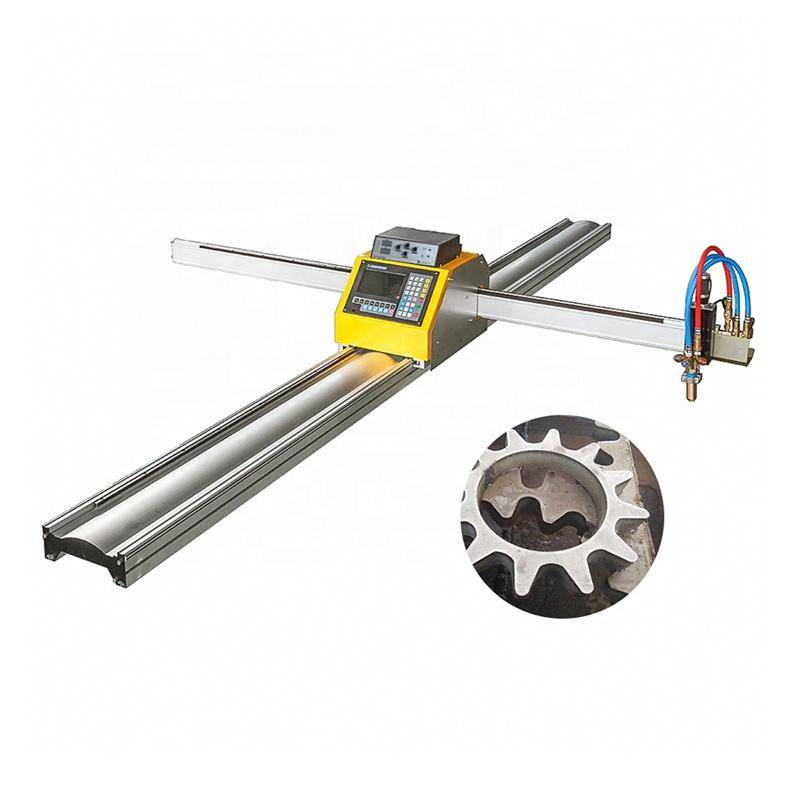
In the context of wind tower fabrication, Plasma Cutting remains the primary choice due to its ability to handle thick-walled structural steel with high thermal efficiency. Unlike other thermal processes, plasma provides a balance between cutting speed and the Heat Affected Zone (HAZ), ensuring that the mechanical properties of the S355 or S420 grade steels commonly used in tower internals remain within specified tolerances.
Mechanics of Zero-Tailing Technology in Profile Cutting
Zero-tailing is achieved through a combination of specialized chuck designs and multi-axis torch kinematics. In standard plasma pipe or beam cutters, the mechanical limits of the rotation chuck or the conveyor system usually prevent the torch from reaching the final few hundred millimeters of the workpiece. This results in a “tail” that must be discarded.
The engineering solution involves a dual-chuck or pass-through system that allows the plasma head to maintain a constant focal distance even at the extreme edges of the material. By eliminating the safety buffer required by older CNC algorithms, the system can nest parts right to the edge of the raw stock. For a wind tower facility processing thousands of tons of steel annually, the cumulative effect of Zero-tailing plasma technology on the bottom line is substantial, directly improving the Buy-to-Fly ratio of the structural components.
Intersection Accuracy and Complex Geometries
Wind towers are not merely simple cylinders; they require complex intersection cuts for cable entries, ventilation ports, and internal structural supports. High-definition plasma systems, when integrated with 5-axis or 6-axis robotic heads, deliver Intersection hole cutting precision that meets the stringent EN 1090-2 execution standards.
The accuracy of these intersections is governed by the synchronized movement of the plasma arc and the material rotation. Industrial engineers must account for the kerf width compensation, which varies based on the gas pressure and torch height. Modern plasma controllers utilize real-time feedback loops to adjust the arc voltage, ensuring that the hole diameter and the bevel angle of the intersection remain consistent through the entire 360-degree rotation. This level of precision eliminates the need for manual grinding or re-drilling, which are high-labor-cost activities that interrupt the flow of the production line.
Low Maintenance Requirements of H-Beam Processing
H-beams and I-beams form the backbone of the internal staging and maintenance platforms within a wind tower. The plasma cutting environment is inherently harsh, characterized by metallic dust and high temperatures. However, plasma systems designed for H-beam processing are engineered for high uptime.
One of the key engineering advantages of plasma in this application is the simplicity of the delivery system. Unlike mechanical sawing or milling, there is no physical contact between the tool and the workpiece, which eliminates tool wear and vibration-induced stress on the gantry. The maintenance profile is centered on consumable management—nozzles, electrodes, and swirl rings—which can be replaced in minutes. Furthermore, modern plasma power sources feature self-diagnostic capabilities that monitor coolant flow and gas flow rates, preventing catastrophic failures and allowing for scheduled preventive maintenance. This reliability is crucial for wind tower factories operating on 24/7 production cycles where any bottleneck in the structural shop can delay the entire assembly process.
Precision Beveling for Structural Integrity
Beveling is a critical step in preparing thick plates and profiles for high-strength joints. Plasma beveling accuracy is essential for creating V, Y, X, and K-shaped profiles that allow for deep penetration during subsequent assembly phases. In wind tower fabrication, the thickness of the steel often exceeds 20mm, necessitating precise angles to ensure the structural load can be transferred effectively across the joint.
Advanced plasma systems utilize a “tilt-and-rotate” head that can change the bevel angle on-the-fly during a single pass. This is particularly useful for the varying transitions found in the conical sections of the tower. The engineering challenge here is managing the plasma arc’s lag—the tendency of the arc to trail behind the torch head at high speeds. Sophisticated CNC software compensates for this by slowing down the feed rate during tight radius bevels and adjusting the gas mixture to constrict the arc, resulting in a cleaner, flatter bevel surface that requires zero secondary processing.
Integration of Wind tower structural fabrication Workflows
Successful implementation of these technologies requires a holistic view of the Wind tower structural fabrication workflow. It begins with the CAD/CAM nesting software, which must be capable of calculating the zero-tailing offsets and the complex unfolded geometries of intersecting pipes. The software must also consider the thermal expansion of the steel during the cutting process to maintain global tolerances across large workpieces.
From an industrial engineering perspective, the goal is to minimize the “touch time” per part. By utilizing a plasma system that can perform straight cuts, bevels, and intersection holes in a single setup—without the waste of large tailings—the facility achieves a leaner production model. The reduction in material waste also contributes to the sustainability goals of the renewable energy sector, as the carbon footprint associated with steel production is offset by more efficient material usage.
Technical Conclusion on Plasma Utility
In summary, the Plasma Cutting Machine, equipped with zero-tailing capabilities, serves as a cornerstone for modern wind tower production. Its ability to provide high-precision intersections and maintenance-friendly operation for H-beam processing makes it superior for heavy industrial environments. By prioritizing beveling accuracy and material yield, manufacturers can ensure that their structural components meet the rigorous demands of the wind energy market while maintaining competitive operational costs. The focus remains on mechanical reliability, software integration, and the maximization of every square millimeter of raw material.
-


LT240S tube laser cutting machine
-
LT120S tube laser cutting machine
-
Sale

Tank Fillet Welding Machine
Original price was: $1,000.00.$900.00Current price is: $900.00. -
Sale

MAK100 tube laser cutting machine
Original price was: $5,500.00.$5,000.00Current price is: $5,000.00. -

portable plasma air cutting machine
$1,200.00 -

2in1 fiber laser cutting machine
-

Air cooling Laser welding machine
-

HF h beam laser cutting machine
-

LT240 laser cutting machine
-

Laser welding machine
-


Cobot Welding Station
-

Gantry welding robot solution
-

Tracked Wheeled AGV Welding robot
-

LFH6020 Fiber laser cutting machine
-
LFP6020
-

robotic welidng machine
Advanced Fiber Laser Tube Processing Technology
Our CNC Fiber Laser Tube Cutting systems revolutionize metal fabrication by integrating high-precision cutting, punching, and profiling into a single automated workflow. Designed for versatility, this technology handles a wide array of profiles including Round, Square, Rectangular, and Oval tubes, as well as complex L-shaped and U-shaped channels.
- Precision Punching: High-speed hole punching with micron-level accuracy, eliminating the need for mechanical drilling or die-stamping.
- Complex Profiling: Advanced 3D pathing allows for intricate interlocking joints and specialized notch cuts, ideal for structural frames.
- High Material Efficiency: Intelligent nesting software minimizes scrap, reducing raw material costs across large production runs.
- Clean Finish: Delivers oxide-free, burr-free edges that require zero secondary grinding before welding.

Seamlessly processing multiple profiles with consistent precision.
Global Delivery & Logistics



From our high-tech manufacturing facility directly to your global site. PCL WeldCut ensures secure packaging, professional handling, and reliable international logistics to safeguard your equipment throughout the entire journey.
One thought on “Plasma Cutting Machine with Zero-tailing technology for for Wind Tower fabrication”
The customer support for the LT120S was very helpful during installation.