Automatic Girth Seam Welder with Narrow Gap welding for Bridge Trusses
In this article
Technical Implementation of Narrow Gap MAG Welding in Bridge Fabrication
In the structural engineering sector, the fabrication of bridge trusses demands extreme precision and high-volume deposition. Traditional welding methods often involve wide-angle V-grooves that require significant volumes of filler metal and prolonged arc-on time. The transition to Narrow Gap MAG welding represents a fundamental shift in industrial efficiency. By reducing the groove angle to typically less than 10 degrees, the total volume of the weld joint is decreased by 40% to 60%. This reduction directly correlates to fewer welding passes and decreased thermal input into the base material, which is critical for maintaining the mechanical properties of high-strength structural steels.
Robotic Girth Seam Welder Architecture
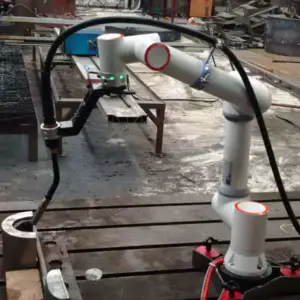
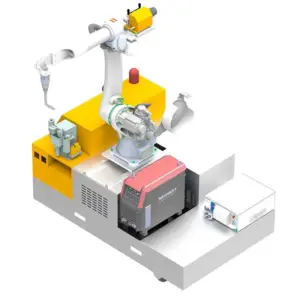
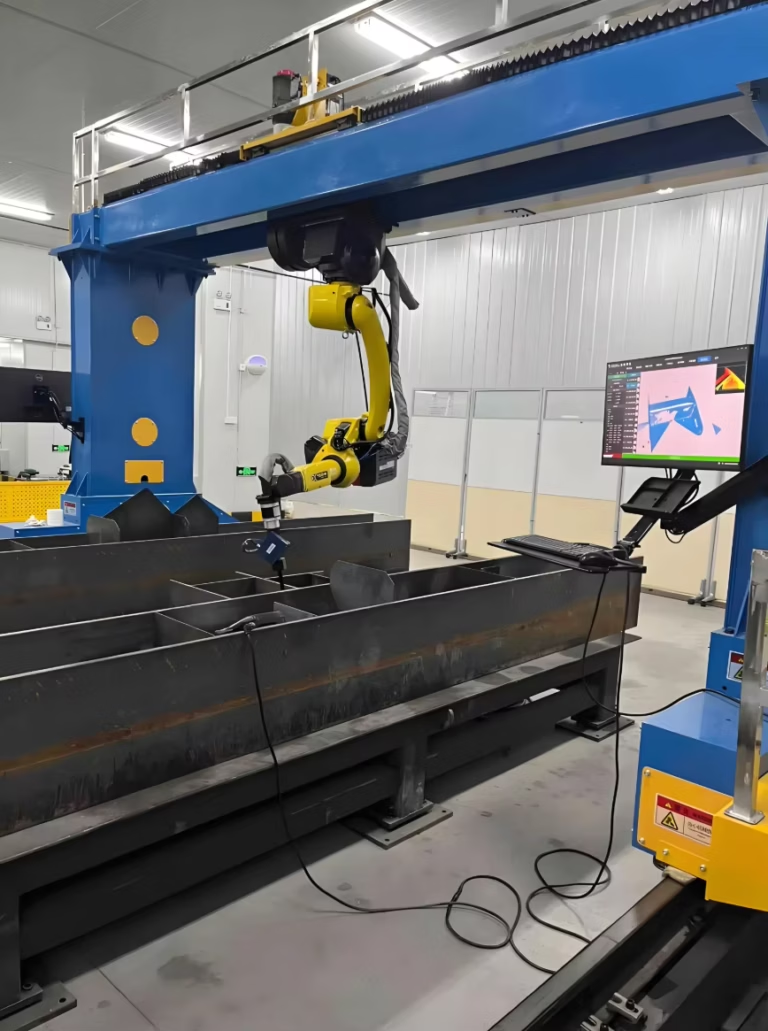
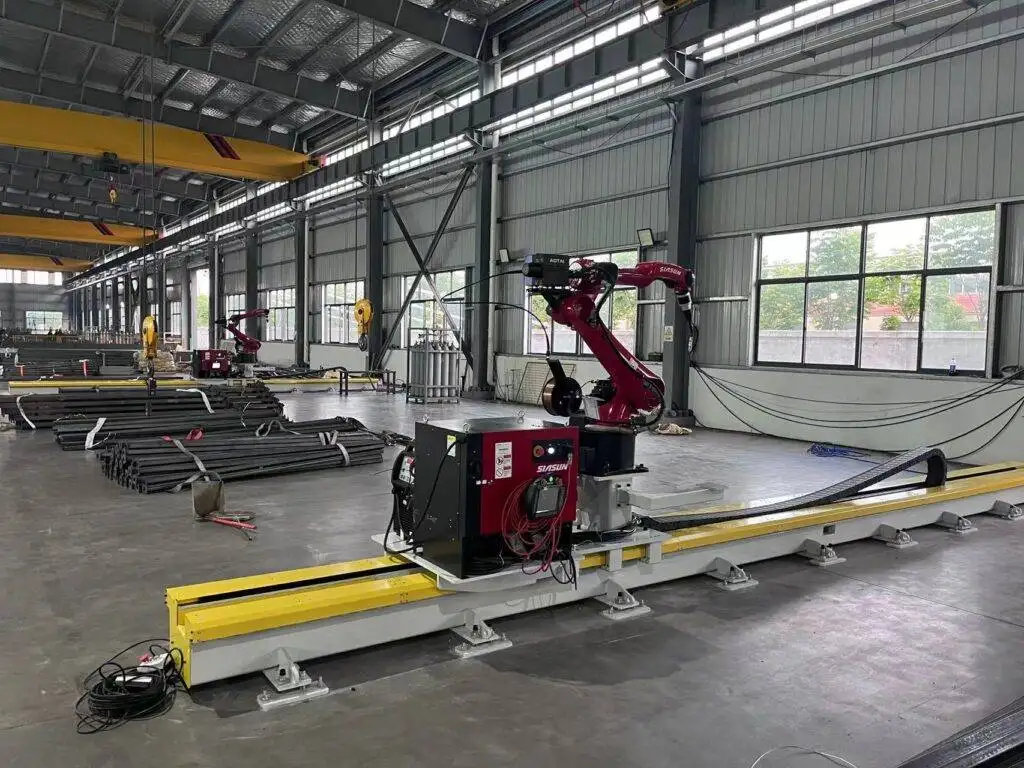
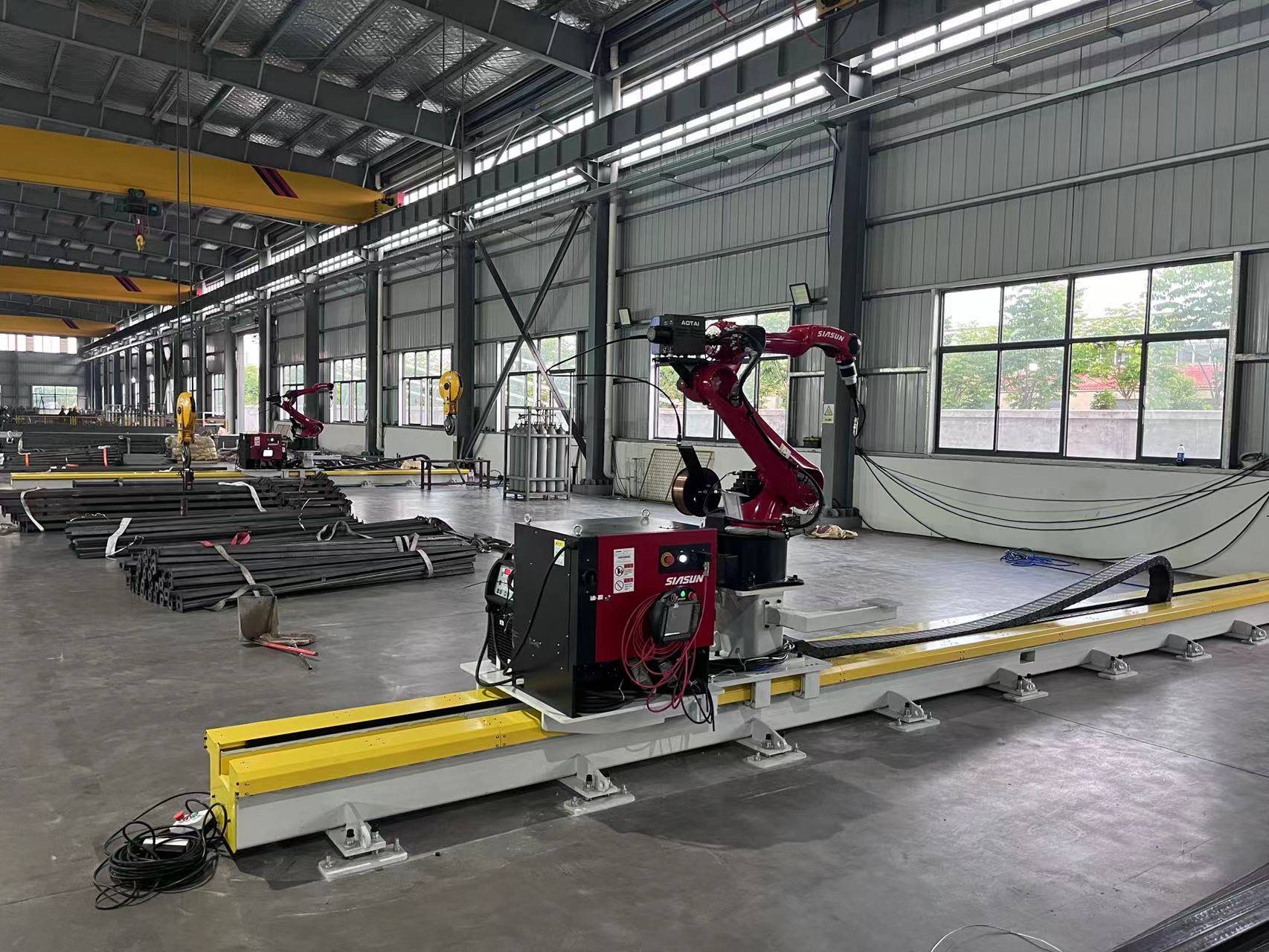
The robotic girth seam welder is engineered to handle the circumferential joints common in tubular truss members. Unlike longitudinal seams, girth seams require synchronized rotation of the workpiece or a precise orbital movement of the robotic manipulator. In a narrow gap configuration, the robot must maintain an extremely tight tolerance on torch positioning. Any deviation in the oscillation width can lead to lack of sidewall fusion, a defect that is unacceptable in bridge construction. Modern robotic cells utilize through-the-arc sensing or laser-based seam tracking to adjust the contact-tip-to-work distance (CTWD) in real-time, ensuring consistent penetration throughout the entire 360-degree rotation.
Optimizing Metal Active Gas (MAG) Parameters
MAG welding is the preferred process for these applications due to its high deposition rates and the ability to tune gas mixtures for specific penetration profiles. For narrow gap applications, a shielding gas mixture of Argon and CO2 (typically 80/20 or 90/10) is utilized to stabilize the arc while minimizing spatter. The robotic controller manages the wire feed speed and voltage in a pulsed spray transfer mode. This synchronization allows for a “one-run-per-layer” strategy in many narrow gap designs, which significantly reduces the probability of inter-pass slag inclusions and porosity.
The Economics of Labor ROI and Throughput
From an industrial engineering perspective, the justification for a Robotic Welding cell is rooted in the deposition rate optimization. Manual welding of thick-walled bridge trusses is a labor-intensive process that is limited by operator fatigue and the physical constraints of the welding environment. A single robotic girth seam welder can operate at an arc-on time of 75-85%, compared to approximately 30-40% for a manual welder.
Calculating Labor Displacement and Amortization
When evaluating the ROI, we must consider the total cost of ownership. A typical robotic installation might replace three to four manual welding stations. If we calculate the annual salary, benefits, and overhead of four skilled welders against the capital expenditure of a robotic cell, the break-even point is often reached within 18 to 24 months. Furthermore, the robot eliminates the variability of human error, which reduces the “rework rate.” In bridge fabrication, the cost of repairing a failed weld—including gouging, re-welding, and secondary NDT (Non-Destructive Testing)—can be ten times the cost of the initial weld. Robotic consistency ensures that the first-pass yield remains above 98%.
Standardizing Quality and Compliance
Bridge trusses are subject to stringent codes such as AWS D1.5. Robotic systems excel here by providing digital logs of every weld parameter—current, voltage, travel speed, and gas flow. This data collection serves as a digital twin of the physical weld, providing a level of traceability that manual logs cannot match. In the event of a structural audit, the manufacturer can provide exact heat-input data for every girth seam on the truss, significantly lowering the liability profile of the firm.
Preventive Maintenance Cycles and System Longevity
To ensure the high availability required for large-scale bridge projects, preventive maintenance cycles must be strictly enforced. Robotic welding systems are high-duty-cycle machines, and their failure modes are predictable. The most critical maintenance points involve the wire delivery system and the torch consumables.
Robotic Component Maintenance Protocols
The wire drive rolls and liners must be inspected weekly. In narrow gap welding, any friction in the wire delivery can cause arc instability, leading to sidewall fusion issues. Contact tips should be replaced based on “arc-start” counts rather than waiting for failure. Additionally, the robotic arm’s cable harness (the dress pack) is a wear item. Because girth seam welding involves repetitive rotational movements, the torsional stress on the cables can lead to internal fractures. Implementing a scheduled replacement of the dress pack every 2,000 operational hours prevents unscheduled downtime during critical production phases.
Managing the Cooling and Shielding Systems
Since Narrow Gap MAG welding generates intense localized heat, the water-cooling system for the robotic torch is vital. Flow sensors should be integrated into the robot’s emergency stop circuit. If the coolant flow drops below a specific threshold, the system must halt to prevent torch meltdown. Similarly, gas shroud cleaning must be automated. Most modern robotic cells include a “reamer” station that periodically cleans spatter from the nozzle and sprays anti-spatter fluid, ensuring the gas shield remains laminar and uncontaminated.
Strategic Advantages in Large-Scale Infrastructure
The adoption of automatic girth seam welding for Bridge Trusses is not merely a technological upgrade but a strategic necessity in a competitive global market. The ability to produce high-integrity, deep-penetration welds with minimal material waste allows fabricators to bid more aggressively on infrastructure projects. By minimizing the heat-affected zone (HAZ) through narrow gap techniques, the structural longevity of the bridge is improved, reducing the long-term maintenance burden for the end-user (the municipality or state).
Conclusion of Industrial Impact
Ultimately, the integration of robotic MAG systems into the bridge fabrication workflow addresses the three pillars of industrial engineering: quality, cost, and delivery. By leveraging narrow gap geometry, the facility reduces consumable costs. By employing robotics, the facility stabilizes labor costs and increases throughput. Finally, through rigorous maintenance and data logging, the facility ensures a level of structural reliability that is essential for public safety in bridge engineering. The shift toward automation is the only viable path for domestic fabricators to maintain margins while meeting the increasing complexity of modern bridge designs.