Field Report: Optimization of 2000W Automated MAG Welding Cell
Location: District XXI Industrial Zone, Budapest, Hungary
1. Executive Summary of Operations
This report outlines the technical commissioning and process stabilization of the 2000W Automated MAG Welding Cell deployed at our Budapest facility. The primary objective was the high-volume fabrication of 6000-series structural components. The integration of advanced Arc Welding Solutions was necessitated by the high thermal conductivity and narrow solidification range inherent in Aluminum Alloy welding.
Since the implementation of the automated cell, we have achieved a 22% increase in cycle efficiency compared to manual GMAW stations, with a significant reduction in post-weld rework. However, the transition highlighted several critical variables regarding wire feed consistency and shielding gas laminar flow that required onsite engineering adjustments.
2. Technical Specifications and System Synergy
The core of the installation is the 2000W Automated MAG Welding Cell, which utilizes a high-speed, six-axis robotic manipulator synchronized with a digital power source. In the context of our Budapest workshop, the “2000W” designation refers to the integrated laser-hybrid stabilization unit used to anchor the arc during high-speed transitions.
The synergy between the Automated MAG Welding Cell and our proprietary Arc Welding Solutions is found in the real-time feedback loop between the power source and the wire feeder. Unlike standard setups, this solution employs “Pulse-on-Pulse” technology. For Aluminum Alloy welding, this is non-negotiable. The primary pulse handles metal transfer, while the secondary, lower-frequency pulse controls the weld pool temperature, effectively mimicking the “stack of dimes” appearance of TIG welding but at MAG speeds.
3. Challenges in Aluminum Alloy Welding
Welding aluminum in an automated environment presents a different set of physics compared to carbon steel. During the Budapest field test, we encountered three primary issues:
1. **Oxide Layer Management:** The 6000-series alloys used onsite had varying degrees of surface oxidation depending on storage time in the humid Danubian climate.
2. **Thermal Sink Issues:** The high thermal conductivity of the aluminum meant that the start of the weld was often cold (leading to lack of fusion), while the end of the weld was prone to burn-through.
3. **Wire Feeding Friction:** Aluminum wire is soft. Any friction in the conduit leads to “bird-nesting” at the drive rolls or micro-stoppages that destabilize the arc.
4. Implementation of Arc Welding Solutions
To counter these issues, our Arc Welding Solutions package was customized for the Budapest cell. We implemented a “Hot Start” and “Crater Fill” logic within the robot controller.
**Hot Start Optimization:** We programmed the Automated MAG Welding Cell to deliver a 25% increase in current for the first 0.5 seconds of the arc ignition. This overcomes the heat sink effect of the Aluminum Alloy welding workpiece, ensuring immediate penetration.
**Crater Fill Logic:** Aluminum is notorious for crater cracks. By ramping down the WFS (Wire Feed Speed) and voltage at the end of the bead, we ensured the weld pool solidified from the outside in, preventing the shrinkage pipes that often lead to structural failure.
5. Shielding Gas Dynamics and Local Environmental Factors
In the Budapest facility, we observed that ambient drafts within the large industrial hall were disrupting the shielding gas envelope. For Aluminum Alloy welding, even minor oxygen contamination results in heavy porosity.
We moved from a standard Argon gas to an Argon-Helium mix (30% He). The addition of Helium increased the ionization potential of the arc, providing a deeper, wider penetration profile. Furthermore, we upgraded the Automated MAG Welding Cell with a high-flow gas diffuser. This ensured that even at high travel speeds (80 cm/min), the laminar flow remained intact, shielding the molten pool from atmospheric nitrogen.
6. Lessons Learned: The Budapest Feedback Loop
Technical field reports are only as good as the failures they document. During the third week of commissioning, we noticed a drift in the TCP (Tool Center Point). This was traced back to thermal expansion of the aluminum jigging fixtures.
**Lesson 1: Thermal Compensation.** In an Automated MAG Welding Cell, the fixtures for Aluminum Alloy welding must account for a higher coefficient of thermal expansion. We redesigned the clamps with ceramic inserts to reduce heat transfer from the part to the jig, maintaining dimensional accuracy within ±0.2mm.
**Lesson 2: Contact Tip Metallurgy.** We initially used standard copper contact tips. These failed rapidly due to the abrasive nature of the aluminum oxide on the wire. Switching to Chrome-Zirconium-Copper (CuCrZr) tips increased the service life from 4 hours to 20 hours of continuous arcing.
**Lesson 3: Wire Conduit Material.** We replaced all steel liners with Graphite-Teflon liners. This reduced the motor torque required for wire feeding by 15%, resulting in a significantly more stable arc voltage and less spatter.
7. Data Integration and Quality Control
The Budapest cell is now fully integrated into the factory’s ERP system. Every weld’s “electronic footprint”—including average current, voltage, and gas flow—is recorded. This allows us to correlate specific Arc Welding Solutions parameters with the NDT (Non-Destructive Testing) results from the X-ray lab.
For Aluminum Alloy welding, this data is vital. We found that a 5% drop in gas flow, often unnoticed by the operator, was the leading indicator of sub-surface porosity. We have now set an automated “Hard Stop” in the cell software if gas flow deviates by more than 2 L/min.
8. Conclusion
The deployment of the 2000W Automated MAG Welding Cell in Budapest demonstrates that the success of automated Aluminum Alloy welding is not just about the robot, but the holistic Arc Welding Solutions surrounding it. By addressing the specific metallurgical needs of the 6000-series alloy and the environmental variables of the Budapest site, we have established a baseline for high-speed, low-defect production.
The system is now cleared for 24/7 operation. Future iterations will look into integrating seam-tracking sensors to further compensate for part-to-part variation in the aluminum extrusions.
**Submitted by:**
Senior Welding Engineer,
Budapest Field Office.
-
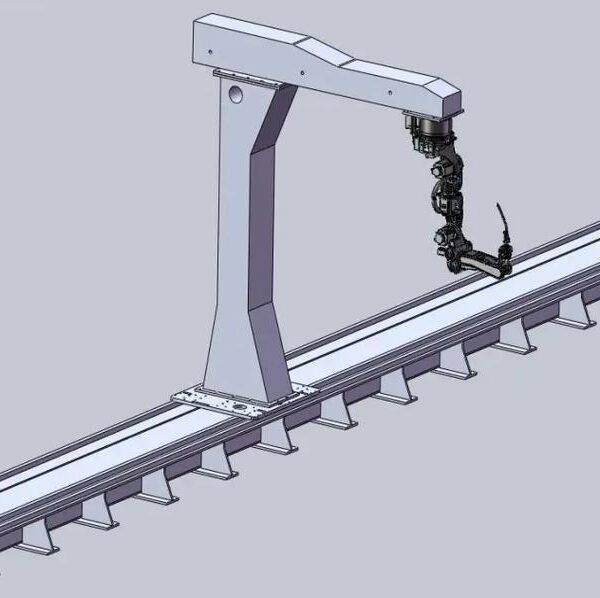

Cantilever Welding Robot solution
-
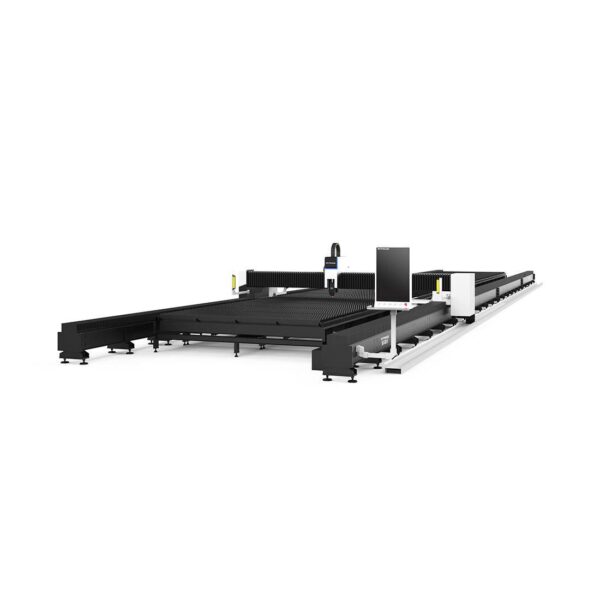

GF laser cutting machine
-
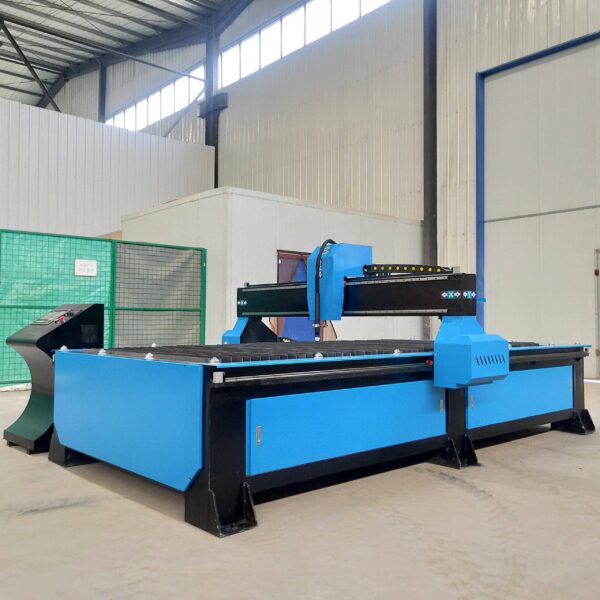
P3015 plasma cutting machine
-

LFP3015 Fiber Laser Cutter
-
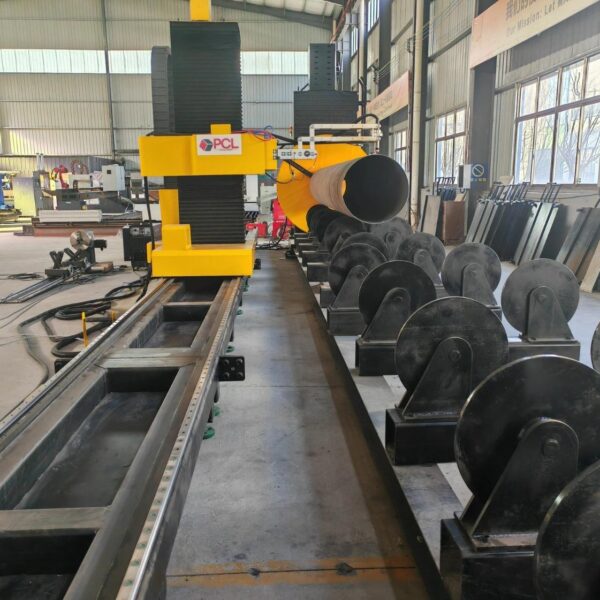
pipe plasma cutting machine
-
LFH 4020 Fiber Laser Cutting Machine
-
LFP4020
-
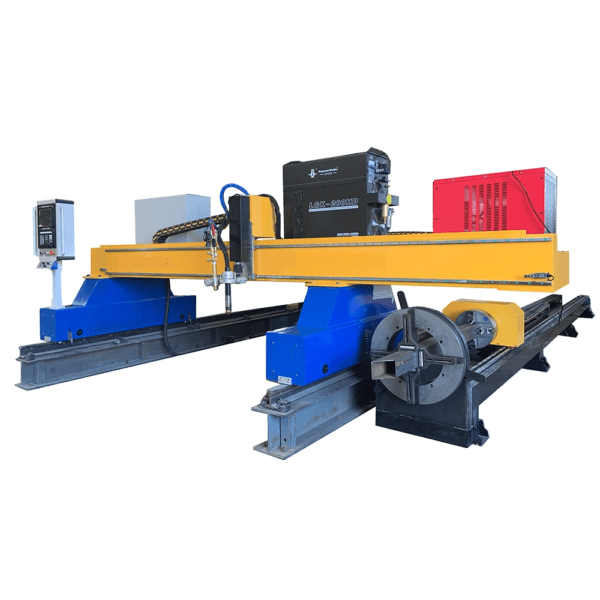
gantry plasma air cutting machine
-
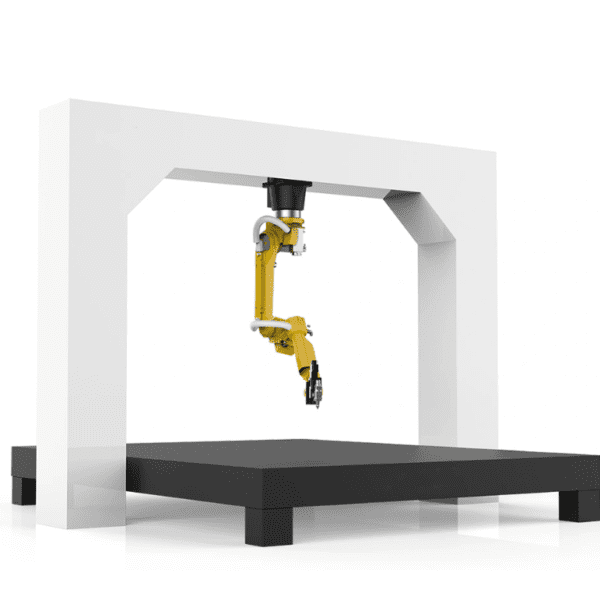
3D robot cutting machine
-
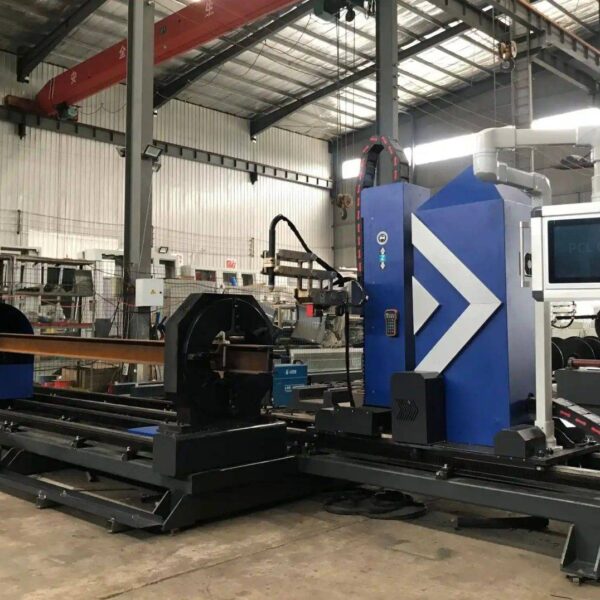
8 axis plasma cutting machine
-
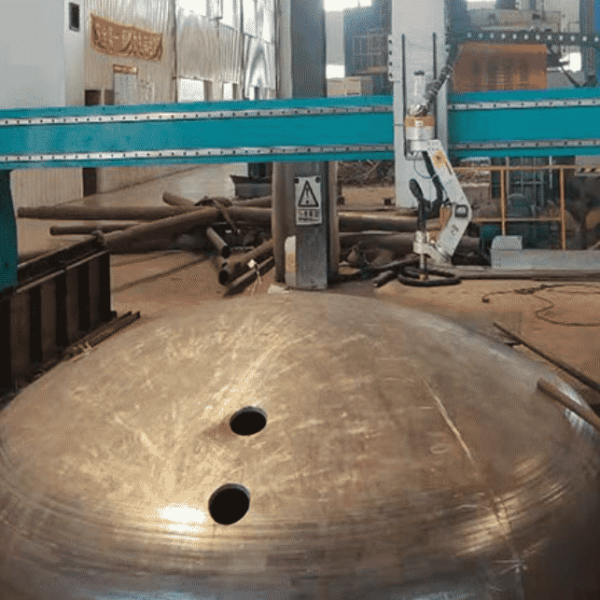
5 axis plasma cutting machine
-

LT360 tube laser cutting machine
-
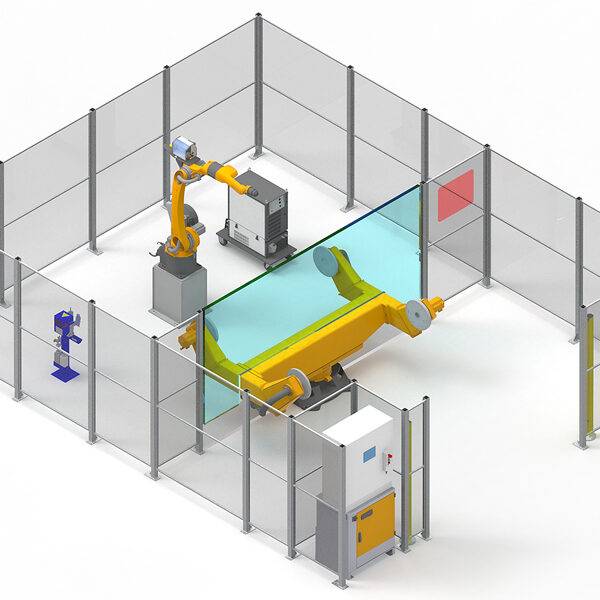
robot welding workstation
-
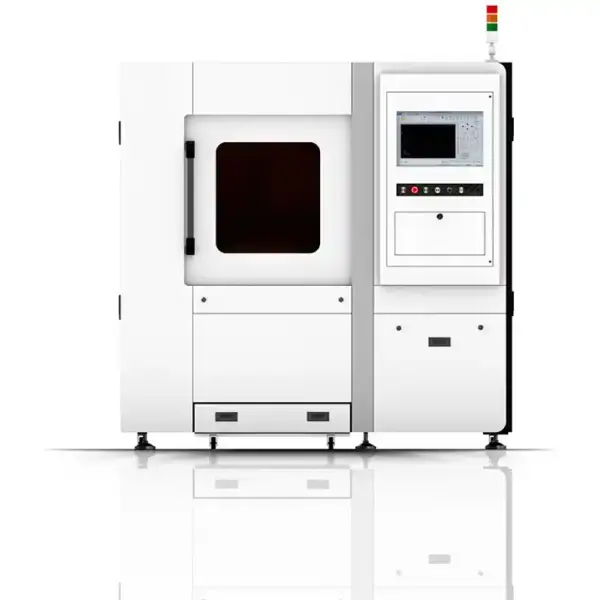
SF6060 fiber laser cutting machine
