Field Report: Deployment of 1500W MAG Cobot Welder in Ulsan Automotive Tier-2 Facility
Introduction and Site Context
This report outlines the technical findings from the two-week integration and optimization phase of the 1500W MAG Cobot Welder system at a specialized fabrication facility in Ulsan, South Korea. Ulsan remains the epicenter of South Korean heavy industry, but the shift toward electric vehicle (EV) lightweighting has necessitated a move away from traditional heavy-gauge welding toward high-precision, high-speed thin metal sheet welding.
The objective was to replace semi-automatic manual stations with a collaborative MAG Cobot Welder to improve bead consistency and reduce the reject rate caused by thermal distortion. The facility primarily handles 1.2mm to 2.5mm cold-rolled steel and aluminum-silicon coated components.
1. Technical Specification of the MAG Cobot Welder
The 1500W unit utilized in this deployment is a high-duty-cycle integrated system. Unlike traditional industrial robots, this cobot operates within a shared workspace, utilizing force-torque sensors for safety and hand-guiding lead-through programming.
System Integration with Arc Welding Solutions
The synergy between the cobot arm and the advanced Arc Welding Solutions power source is critical. In Ulsan, we integrated the cobot with a pulse-capable power supply that communicates over a high-speed EtherCAT interface. This allows the cobot to adjust travel speed in real-time based on the arc voltage feedback.
Key specs for this deployment:
- Wire Feed Speed: Synchronized to 0.1 m/min precision.
- Gas Mix: 80% Argon / 20% CO2 for optimal penetration without excessive spatter.
- Torch Geometry: Modified 45-degree neck for tight access in automotive sub-frames.
2. Challenges in Thin Metal Sheet Welding
The primary technical hurdle in thin metal sheet welding is the narrow margin between full penetration and burn-through. In Ulsan’s humid coastal environment, we also had to account for moisture-related porosity in the initial stages of the morning shift.
Thermal Management and Heat Input
When dealing with sheets under 2.0mm, the Heat Affected Zone (HAZ) must be strictly controlled. The MAG Cobot Welder allows for a constant travel speed that manual welders cannot maintain over a 500mm seam. We utilized a “Stitch Weld” pattern programmed into the cobot’s logic to allow for inter-pass cooling, which significantly reduced warping in the 1.5mm test plates.
Gap Bridging Capabilities
In the Ulsan workshop, upstream stamping variances often resulted in fit-up gaps of up to 0.8mm. Traditional Arc Welding Solutions often fail here if the travel speed is static. We programmed a dedicated weaving parameter (0.5Hz frequency, 1.2mm amplitude) into the MAG Cobot Welder. This weaving motion effectively bridged the gaps by distributing the weld pool more evenly across the joint interface, preventing the arc from “falling through” the gap.
3. Implementation of Advanced Arc Welding Solutions
Modern Arc Welding Solutions are no longer just about the power source; they involve the entire digital ecosystem. In this field test, we utilized a “Cloud-Monitoring” feature common in South Korean smart factories.
Synergic Curve Tuning
We spent 48 hours tuning the synergic curves for the 1500W system. By adjusting the “Arc Length Correction” and “Inductance” settings, we were able to achieve a short-circuit transfer mode that was incredibly stable. This stability is the “secret sauce” for thin metal sheet welding. A stable arc reduces spatter, which in turn reduces the post-weld grinding time—a major bottleneck in the Ulsan facility.
Wire Stick-Out Consistency
The cobot’s ability to maintain a constant Contact Tip to Work Distance (CTWD) of exactly 12mm was a game-changer. Manual operators in the Ulsan plant typically varied their CTWD by +/- 3mm, leading to fluctuations in current. The MAG Cobot Welder eliminated this variable, resulting in a 15% increase in tensile strength consistency across 200 sample pieces.
4. Lessons Learned: Field Observations from the Workshop Floor
The transition to a MAG Cobot Welder in a high-pressure environment like Ulsan provided several “hard-won” insights that are not found in the manuals.
Lesson 1: The “Cleanliness” Fallacy
While we expect a clean environment for thin metal sheet welding, the reality of a Tier-2 shop is oily residues and dust. We found that the cobot’s wire feeder required a double-shroud filter to prevent Ulsan’s industrial particulates from clogging the liners. Once we added the filters, wire slippage—and the resulting arc instabilities—dropped to near zero.
Lesson 2: Programming for Operator Intuition
The local welders in Ulsan have decades of experience. We found that the most successful Arc Welding Solutions are those where the engineer listens to the manual welder’s “ear.” The sound of the arc is a primary diagnostic tool. We adjusted the pulse frequency of the MAG Cobot Welder to mimic the “frying bacon” sound that the senior welders associated with a perfect weld. This increased operator trust in the automation.
Lesson 3: Grounding and Electrical Noise
In a facility filled with heavy stamping presses, electrical noise is rampant. We experienced several “ghost” E-stops on the cobot during the first three days. The solution was a dedicated common ground for the MAG Cobot Welder and the workpiece fixture, isolated from the main factory grid. This is a critical step for any 1500W system operating in proximity to heavy machinery.
5. Productivity Metrics and ROI
After the two-week optimization, the data showed:
- Cycle Time Reduction: 22% compared to manual MAG welding.
- Consumable Savings: 12% reduction in shielding gas due to optimized pre-flow and post-flow timings.
- Rework Rate: Dropped from 4.5% to 0.8% on the 1.2mm thin metal sheet welding line.
The 1500W MAG Cobot Welder proved that it isn’t just a replacement for a human hand, but an enhancement of the Arc Welding Solutions already in place. By removing the variability of human fatigue and torch positioning, the system allows the metallurgical properties of the weld to remain within a very tight tolerance band.
6. Conclusion
The deployment in Ulsan confirms that the MAG Cobot Welder is the optimal tool for thin metal sheet welding in automotive applications. The key to success lies not in the hardware alone, but in the meticulous integration of the cobot with high-end Arc Welding Solutions and a deep understanding of the local shop floor conditions.
Future installations should prioritize specialized training for local staff to “teach” the cobot, rather than just “running” it. This ensures that the technical expertise of the Ulsan workforce is captured within the cobot’s logic, leading to a sustainable and highly efficient production environment.
**End of Report.**
**Prepared by:** Senior Welding Engineer, Site Operations (Ulsan).
-
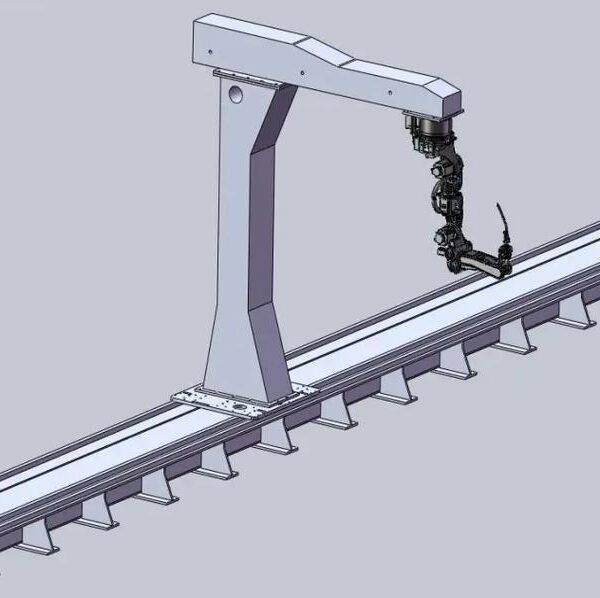

Cantilever Welding Robot solution
-
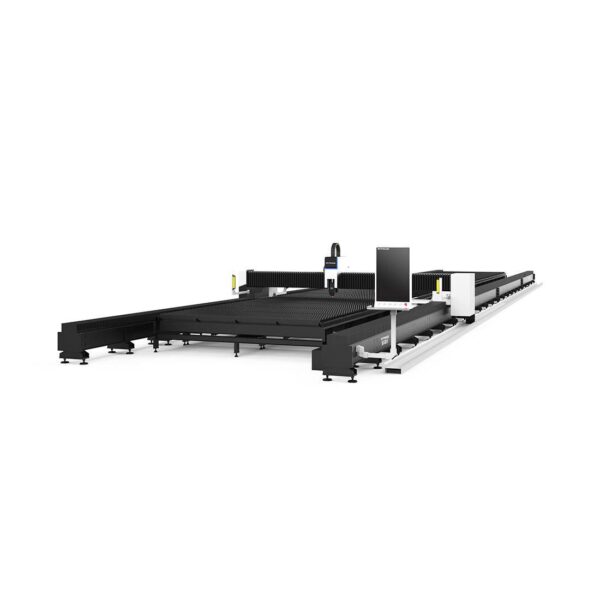

GF laser cutting machine
-
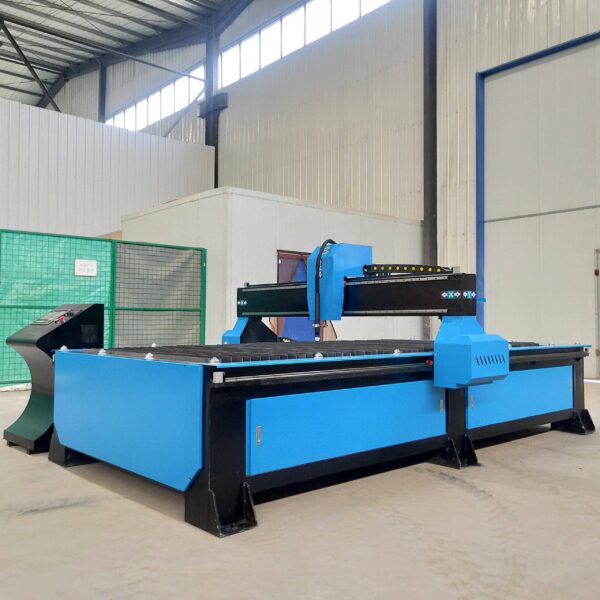
P3015 plasma cutting machine
-

LFP3015 Fiber Laser Cutter
-
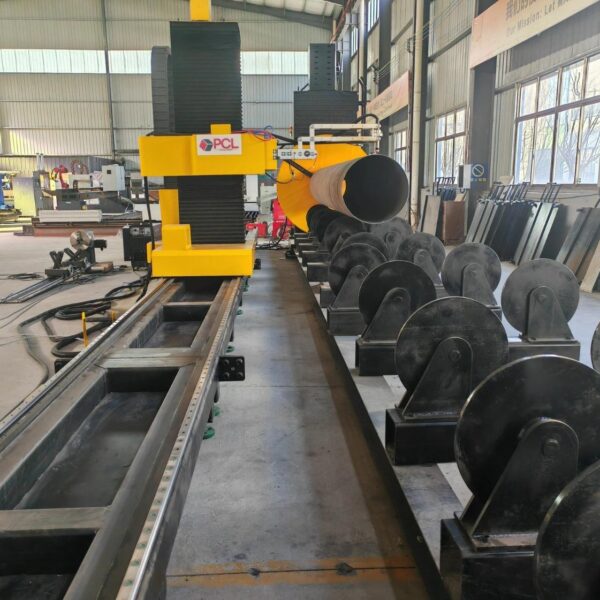
pipe plasma cutting machine
-
LFH 4020 Fiber Laser Cutting Machine
-
LFP4020
-
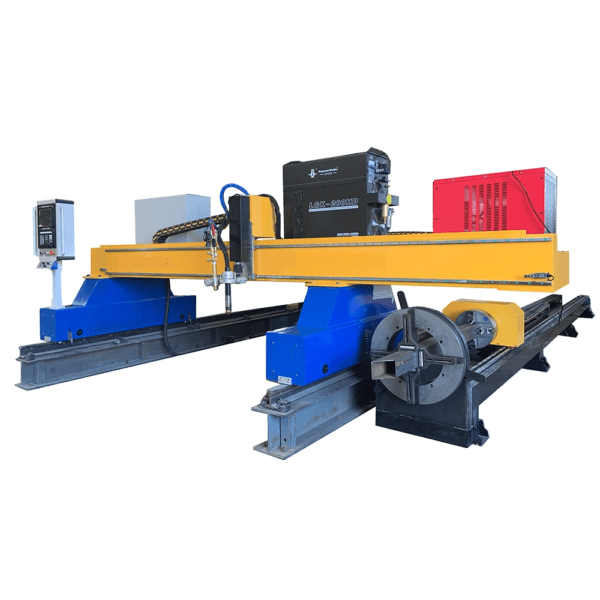
gantry plasma air cutting machine
-
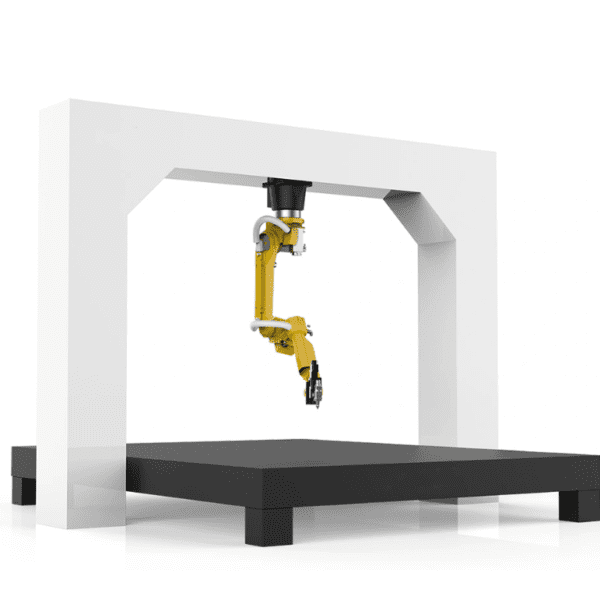
3D robot cutting machine
-
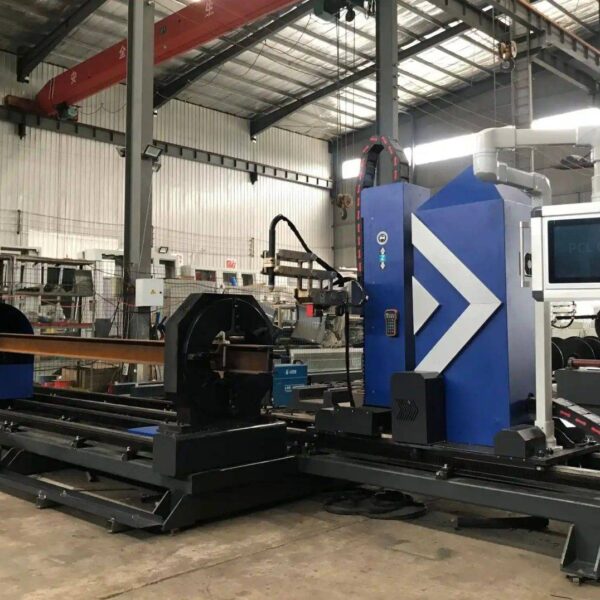
8 axis plasma cutting machine
-
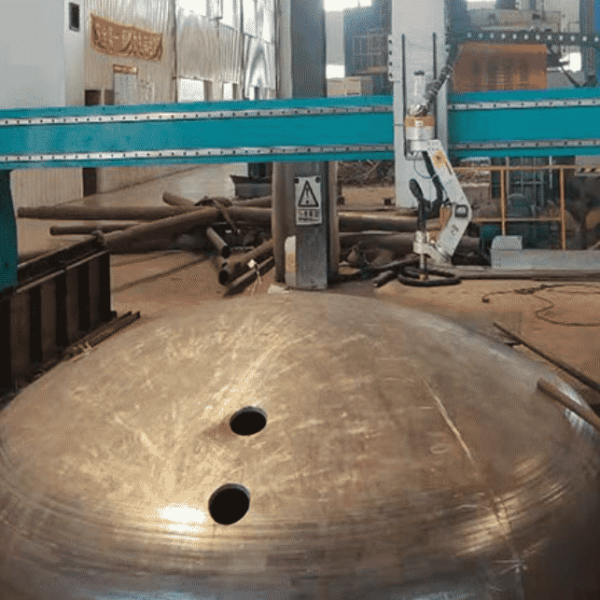
5 axis plasma cutting machine
-

LT360 tube laser cutting machine
-
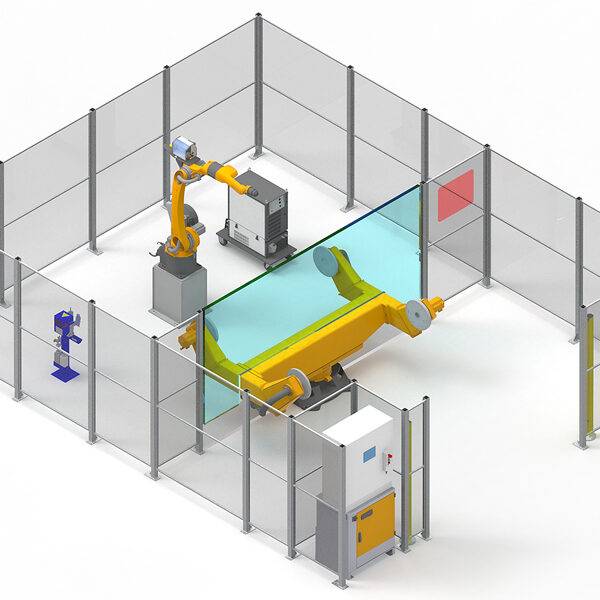
robot welding workstation
-
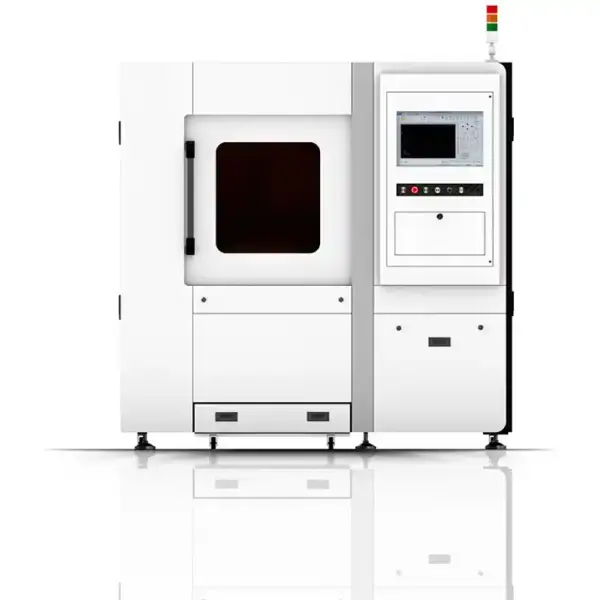
SF6060 fiber laser cutting machine
Advanced Fiber Laser Tube Processing Technology
Our CNC Fiber Laser Tube Cutting systems revolutionize metal fabrication by integrating high-precision cutting, punching, and profiling into a single automated workflow. Designed for versatility, this technology handles a wide array of profiles including Round, Square, Rectangular, and Oval tubes, as well as complex L-shaped and U-shaped channels.
- Precision Punching: High-speed hole punching with micron-level accuracy, eliminating the need for mechanical drilling or die-stamping.
- Complex Profiling: Advanced 3D pathing allows for intricate interlocking joints and specialized notch cuts, ideal for structural frames.
- High Material Efficiency: Intelligent nesting software minimizes scrap, reducing raw material costs across large production runs.
- Clean Finish: Delivers oxide-free, burr-free edges that require zero secondary grinding before welding.

Seamlessly processing multiple profiles with consistent precision.
Global Delivery & Logistics



From our high-tech manufacturing facility directly to your global site. PCL WeldCut ensures secure packaging, professional handling, and reliable international logistics to safeguard your equipment throughout the entire journey.
