Intelligent Robotic Welder with Magnetic Crawler for Wind Tower fabrication
In this article
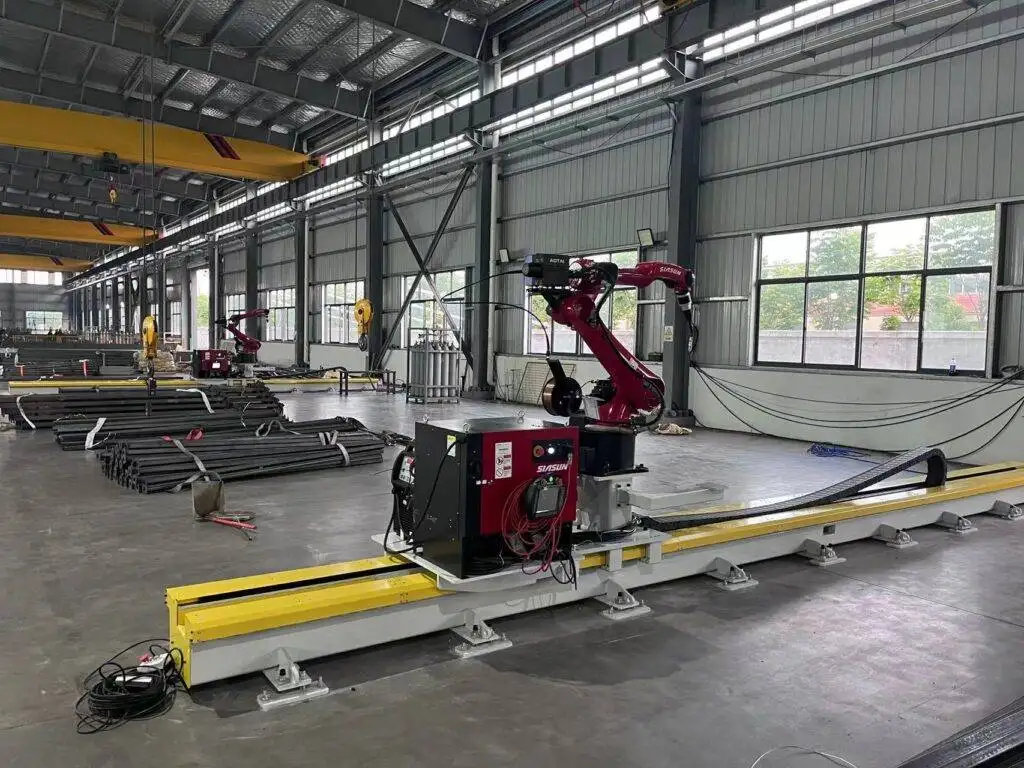
Technical Overview of the Intelligent Robotic Welder in Wind Energy
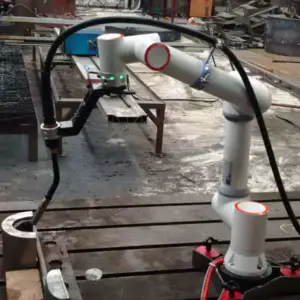
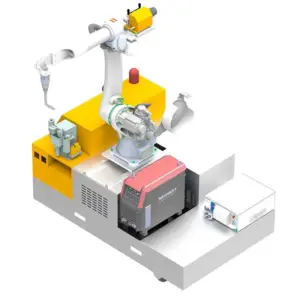
The fabrication of wind turbine towers demands rigorous structural integrity and consistency across massive longitudinal and circumferential girth seams. Traditional manual welding often fails to maintain the necessary duty cycles required for global energy infrastructure demands. An Intelligent Robotic Welder utilizing a Magnetic Crawler platform represents the pinnacle of localized automation. Unlike fixed robotic cells, these crawlers move directly on the workpiece, utilizing high-force permanent magnets or electromagnets to maintain a constant distance and orientation relative to the weld joint, even on vertical or overhead curvatures.
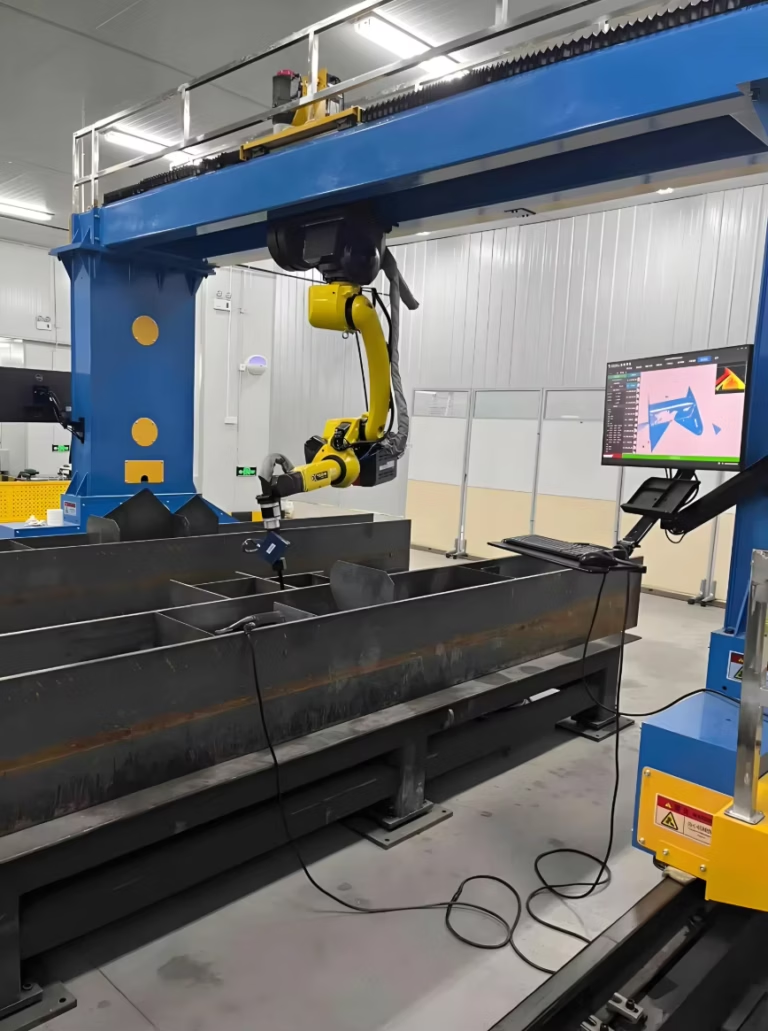
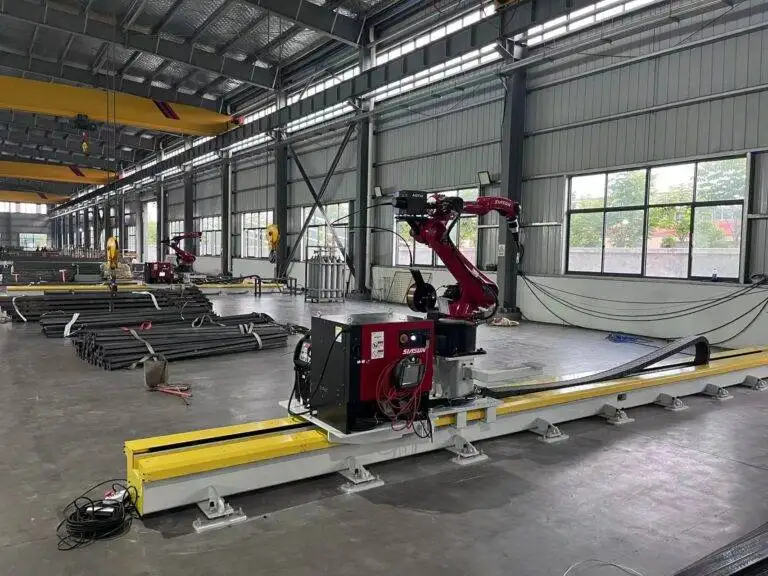
From an industrial engineering perspective, the shift to crawler-based systems solves the “reach” limitation of standard articulated arms. By placing the robot on the tower section itself, the system eliminates the need for expensive, massive gantries. The focus is squarely on the optimization of the MAG welding process, ensuring that the arc time is maximized and the thermal input is precisely controlled to avoid distortion in large-diameter steel sections.
MAG Welding Optimization for Heavy Plate Sections
Metal Active Gas (MAG) welding is the preferred process for Wind Tower fabrication due to its high deposition rates and the ability to produce high-quality welds in thick carbon steel. When integrated into a magnetic crawler, the MAG process is governed by digital power sources that allow for pulsed-arc or spray-transfer modes, depending on the plate thickness and fit-up gap.
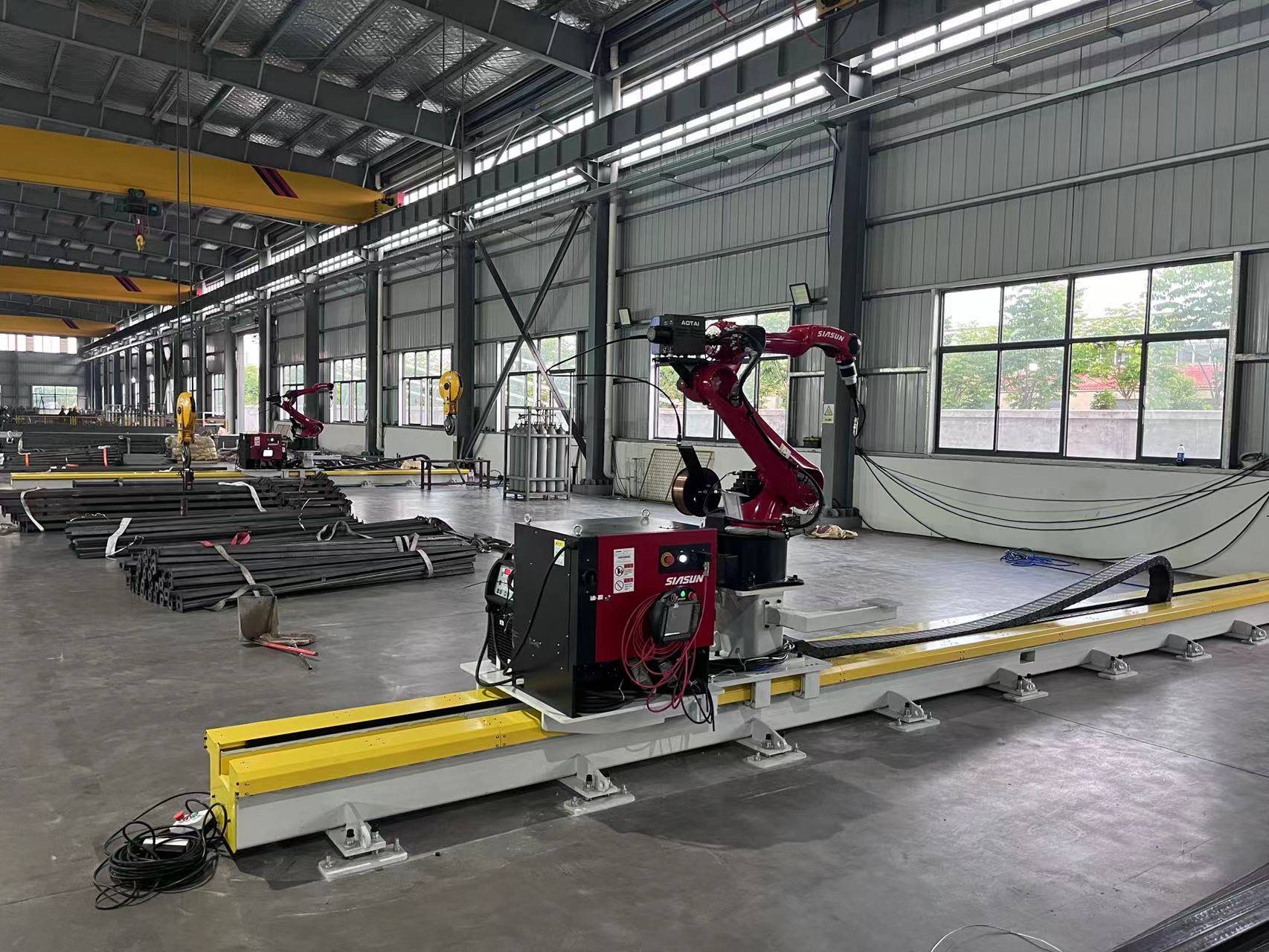
The intelligence of the system lies in its ability to manage wire feed speeds and voltage in real-time. Adaptive control algorithms monitor the arc characteristics to compensate for slight variations in joint geometry. In wind tower sections, where plate thickness can exceed 50mm, multi-pass welding is mandatory. The robotic system utilizes “through-the-arc” sensing to track the seam, ensuring that each bead is placed with sub-millimeter precision. This level of control reduces the Heat Affected Zone (HAZ), which is critical for maintaining the fatigue strength of the tower under cyclic wind loads.
Integration of Magnetic Crawler Mobility
The mobility of the crawler is facilitated by a multi-wheeled or tracked drive system embedded with high-flux neodymium magnets. These magnets provide several hundred kilograms of pull-force, ensuring the unit remains stable while carrying the welding torch, wire feeder, and sensors. The industrial engineer must account for the “tractive effort” required to move the umbilical—the bundle of cables providing power, gas, and wire.
Advanced crawlers utilize four-wheel independent drives to navigate the slight conical taper of wind tower sections. By correlating the drive speed with the welding parameters, the system maintains a constant travel speed, which is a primary variable in heat input calculation. Unlike a human welder, the crawler does not suffer from fatigue or inconsistent travel speeds, leading to a perfectly uniform weld ripple pattern and consistent penetration depth.
Maintenance Protocols for Robotic Welding Crawlers
High availability is the cornerstone of robotic ROI. A preventative maintenance (PM) schedule for a magnetic crawler system is more complex than standard stationary robots due to its exposure to the harsh welding environment and the mechanical wear of the drive system.
Daily maintenance must focus on the “magnetic integrity” of the tracks. Metallic dust and spatter can accumulate on the magnets, reducing the effective pull-force or causing the crawler to “stutter” during movement. Automated cleaning brushes or compressed air nozzles are often integrated into the crawler’s leading edge to clear the path.
Critical Maintenance Checkpoints:
- Consumable Management: The MAG torch contact tips and gas nozzles must be inspected every shift. Modern systems use automated torch cleaning stations that ream the nozzle and apply anti-spatter fluid.
- Wire Delivery System: Because the wire feeder is often mounted on the crawler, the feed rolls and liners undergo mechanical stress. Inspecting the liner for friction build-up ensures consistent wire delivery and prevents bird-nesting.
- Encoder Calibration: The drive motors use optical or magnetic encoders to track position. Any slippage on the steel surface must be compensated for via software, but mechanical calibration of the wheels is required monthly to ensure travel speed accuracy remains within 1%.
- Magnetic Force Testing: Over time, heat exposure can degrade magnet performance. Periodic pull-tests ensure the crawler remains safely adhered to the tower surface during vertical climbs.
Labor ROI and Economic Impact Analysis
The primary driver for adopting an Intelligent Robotic Welder is the Labor ROI. In traditional wind tower fabrication, a manual welder typically achieves an “arc-on” time or duty cycle of approximately 20-30%. The remainder of the time is spent on setup, repositioning, changing electrodes, or rest.
A magnetic crawler system pushes the duty cycle to 70-80%. This is achieved through continuous wire feeding and the ability of a single operator to oversee multiple crawlers. From a labor cost perspective, the “Man-to-Machine Ratio” shifts from 1:1 to 1:3. One technician can manage the setup and monitoring of three crawlers operating on different tower sections simultaneously.
Furthermore, the reduction in rework (Repair Rate) provides a massive financial boost. Manual welding on heavy plates often results in a 3-5% repair rate due to inclusions or lack of fusion. Robotic systems typically lower this to less than 0.5%. When considering the cost of gouging out a defective weld on a 40mm plate and re-welding it, the savings in gas, wire, and man-hours often pay for the robotic system within the first 12 to 18 months of operation.
Data-Driven Quality Control
Industrial engineers utilize the data logged by the intelligent welder for Quality Assurance (QA). Every inch of the weld is recorded with parameters such as current, voltage, and travel speed. This “Digital Birth Certificate” for each tower section replaces manual inspection logs and provides immediate feedback if a parameter deviates from the Weld Procedure Specification (WPS). This traceability is increasingly demanded by offshore wind developers who require 25-year service life guarantees.
Conclusion on Process Evolution
The integration of a magnetic crawler with MAG technology is not merely a hardware upgrade; it is a fundamental shift in wind tower production logic. By removing the welder from the immediate vicinity of the arc, safety is improved, and human error is marginalized. The intelligent robotic system ensures that the structural backbone of the renewable energy sector is built with a level of precision and efficiency that manual processes simply cannot match. As tower heights increase and plate thicknesses grow, the reliance on automated, mobile welding platforms will become the industry standard for competitive fabrication.