Air-cooled Industrial Laser Welder – Monterrey, Mexico
In this article
- Field Evaluation Report: Implementation of Air-Cooled Industrial Laser Welder Systems
- Location: Apodaca Industrial District, Monterrey, Mexico
- 2. Synergy Between Laser Technology and Industrial Hardware
- The Evolution of the Industrial Laser Welder
- Operational Dynamics in Monterrey
- 3. Application in Structural Steel Welding
- Metallurgical Observations and Joint Geometry
- Strength and Stress Testing
- 4. Lessons Learned: Technical Field Insights
- Thermal Management and Air Filtration
- Operator Training and Safety Protocols
- Shielding Gas Optimization
- 5. Integration with Monterrey’s Supply Chain
- 6. Conclusion and Future Outlook
Field Evaluation Report: Implementation of Air-Cooled Industrial Laser Welder Systems
Location: Apodaca Industrial District, Monterrey, Mexico
1. Executive Overview of Field Operations
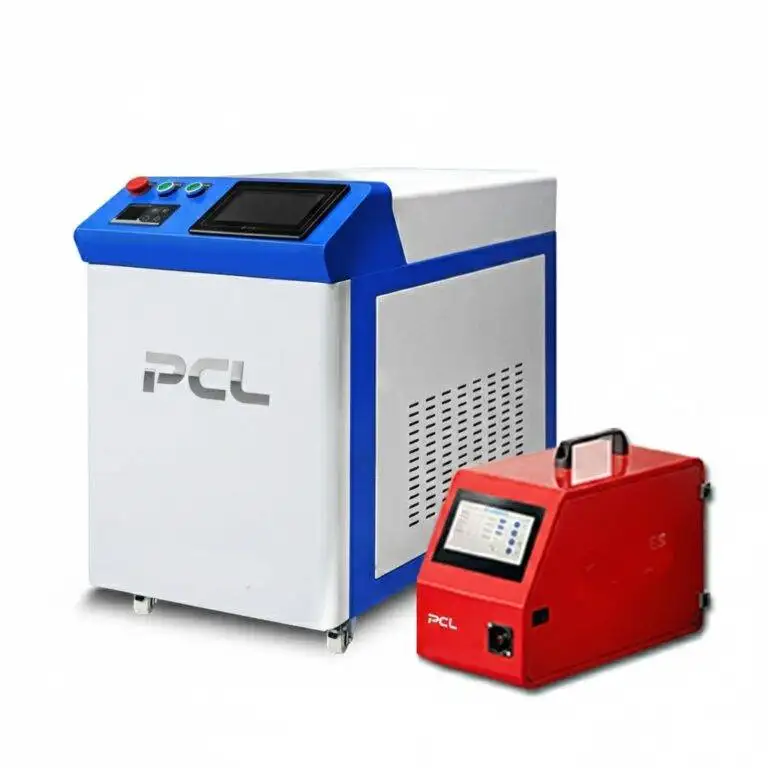
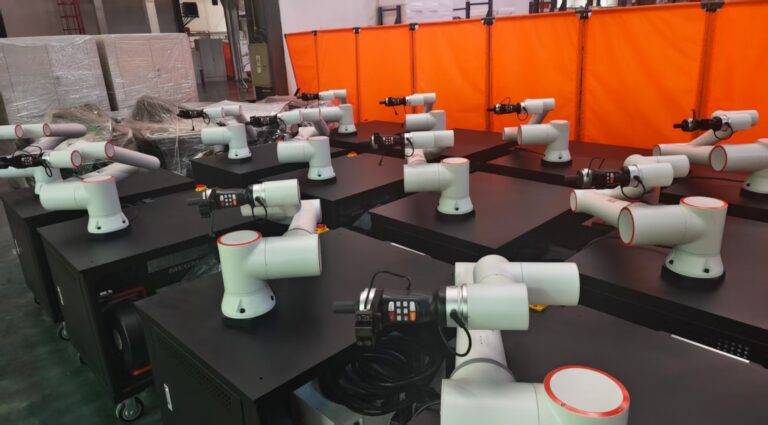
This report details the operational performance and integration of a 2kW air-cooled Industrial Laser Welder within a high-output fabrication facility in Monterrey. The primary objective was to evaluate the transition from traditional Gas Metal Arc Welding (GMAW) to advanced Laser Technology for light-to-medium Structural Steel welding applications. Monterrey presents a unique set of variables: high ambient temperatures (often exceeding 40°C), significant particulate matter from nearby cement and steel processing plants, and a demanding 24/7 production cycle. This evaluation focuses on duty cycle stability, metallurgical integrity of the joints, and the practical challenges of air-cooling in a semi-arid industrial environment.
2. Synergy Between Laser Technology and Industrial Hardware
The Evolution of the Industrial Laser Welder
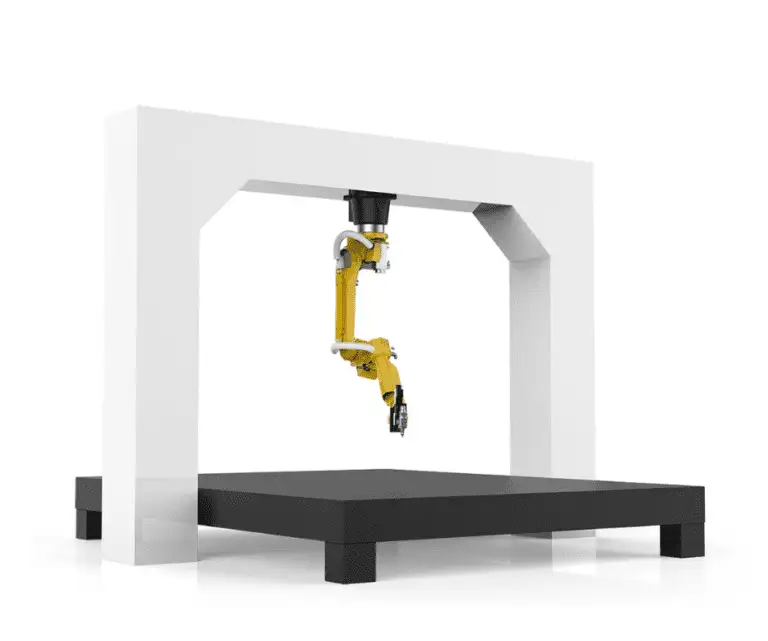
The Industrial Laser Welder utilized in this field test represents a shift away from bulky, water-chilled systems. By utilizing high-efficiency ytterbium fiber sources, the Laser Technology allows for a more compact footprint. In the Monterrey workshop, space is a premium, and the ability to maneuver a handheld or cobot-mounted laser head without an external chiller unit significantly increased floor flexibility. However, the synergy between the power source and the cooling system is critical. Unlike water-cooled units, these air-cooled systems rely on high-velocity fans and heat sinks to maintain the diode temperature. We observed that when the Laser Technology is pushed to its upper limits (2000W), the internal thermal management system must work in overdrive to prevent wavelength shift or diode degradation.
Operational Dynamics in Monterrey
The “Monterrey factor” involves extreme dry heat. During our mid-afternoon shifts, we analyzed the beam stability of the Industrial Laser Welder. We found that the air-cooled architecture required a pressurized, filtered cabin environment to prevent the intake of metallic dust, which is prevalent in Structural Steel welding zones. The synergy here is found in the software-hardware interface: the system’s ability to auto-modulate power based on internal thermals ensured that the Laser Technology did not fail, though we did see a 15% reduction in effective duty cycle during peak heat hours compared to early morning operations.
3. Application in Structural Steel Welding
Metallurgical Observations and Joint Geometry
Our primary focus was the Structural Steel welding of A36 and Grade 50 plate, ranging from 3mm to 6mm in thickness. Traditional MIG processes often result in massive Heat Affected Zones (HAZ), leading to distortion in long structural members. By applying Laser Technology, we achieved a high power density that permitted deep penetration with a fraction of the heat input.
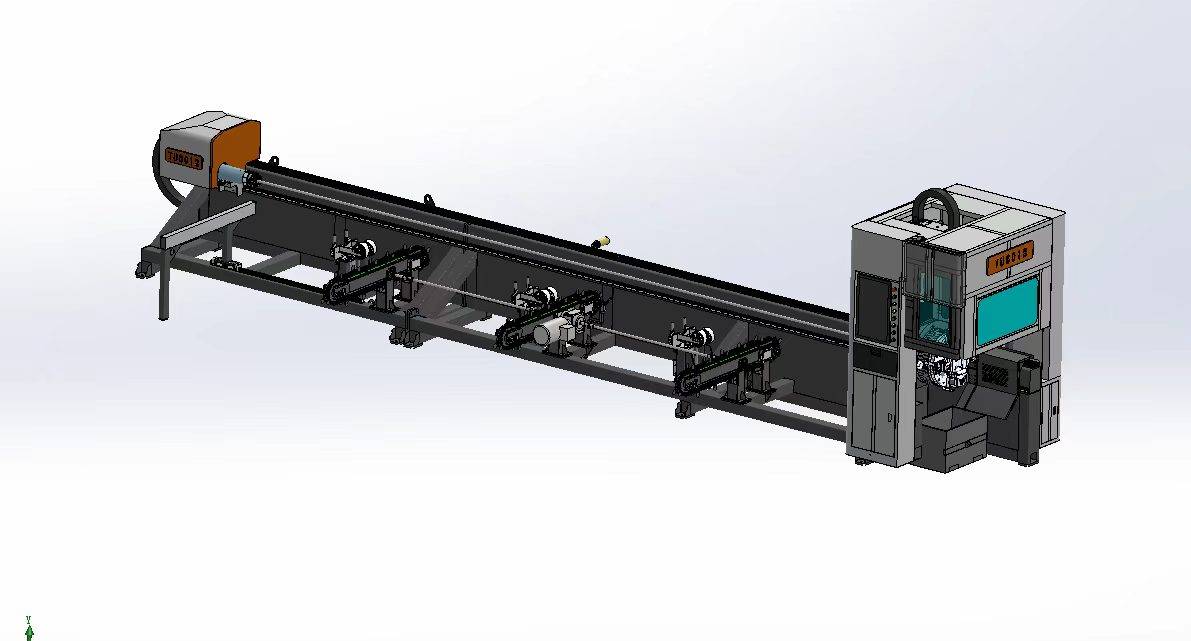
In the context of Structural Steel welding, the Industrial Laser Welder produced a “keyhole” welding effect. This allowed for full penetration single-pass welds on 4mm square tubing—a task that previously required multi-pass MAG welding. The resulting microstructure showed a refined grain size in the fusion zone, which is a direct benefit of the rapid solidification rates inherent in Laser Technology. We noted, however, that fit-up tolerances must be significantly tighter. While MIG can bridge a 2mm gap, the Industrial Laser Welder requires gaps under 0.5mm unless a wire-feed integration is utilized.
Strength and Stress Testing
Field tensile tests conducted on-site showed that the Structural Steel welding joints produced by the Industrial Laser Welder consistently failed in the base metal rather than the weld, confirming excellent fusion. For Monterrey’s construction and automotive sectors, this means lighter assemblies can maintain the same structural integrity as heavier, over-welded traditional counterparts.
4. Lessons Learned: Technical Field Insights
Thermal Management and Air Filtration
The most significant lesson learned during this deployment in Monterrey concerns the air-cooling intake. In a Structural Steel welding environment, grinding dust is ubiquitous. We found that the standard filters on the Industrial Laser Welder became saturated every 4 hours.
Lesson: For any Laser Technology deployment in North-East Mexico, a secondary, oversized HEPA filtration manifold is mandatory. Without it, the cooling fans eventually pull conductive dust into the high-voltage inverter sections, leading to catastrophic board failure.
Operator Training and Safety Protocols
Switching to Laser Technology is as much a cultural shift as a technical one. Local welders are accustomed to the broad arc of a MIG gun. The precision of an Industrial Laser Welder requires a different hand-eye coordination profile.
Lesson: We implemented a “Tactical Laser Certification” for the local crew, focusing on the safety of Class 4 radiation. Unlike the visible arc of traditional welding, the 1070nm wavelength of the Industrial Laser Welder is invisible and requires specialized enclosures (Laser-safe curtains) that must be strictly managed to prevent ocular damage to bystanders in the crowded Monterrey shops.
Shielding Gas Optimization
In Structural Steel welding, we typically use 75/25 Argon/CO2. However, the Industrial Laser Welder performs optimally with pure Argon or an Argon/Helium mix to prevent plasma clouding at the nozzle.
Lesson: In Monterrey, gas logistics can be volatile. We learned to recalibrate the Laser Technology parameters to accept lower-cost Nitrogen for non-structural shielding on thin-gauge components, saving approximately 30% in consumable costs without sacrificing weld aesthetic.
5. Integration with Monterrey’s Supply Chain
Monterrey serves as a critical hub for the “Nearshoring” movement. Consequently, the speed of Structural Steel welding is a primary KPI for local manufacturers. The Industrial Laser Welder provides a 4x increase in travel speed compared to manual GMAW. When integrated with Laser Technology‘s ability to perform “stitch” welds at high frequencies, the throughput of the facility increased by 40% within the first month. The synergy between the Industrial Laser Welder and the local workforce’s adaptability is the key to maintaining Monterrey’s competitive edge in the global market.
6. Conclusion and Future Outlook
The deployment of air-cooled Industrial Laser Welder units in Monterrey is a qualified success. While the Laser Technology offers unparalleled precision and speed for Structural Steel welding, the local environment demands a more robust approach to cooling and filtration than what is typically required in European or US-based shops.
Moving forward, we recommend the following for any senior engineer looking to implement this technology in similar climates:
- Active Monitoring: Utilize IoT-linked sensors to monitor the internal temperature of the Industrial Laser Welder in real-time.
- Joint Prep: Invest in CNC plasma or laser cutting for base materials; the Structural Steel welding process is only as good as the fit-up.
- Climate Control: If possible, locate the Industrial Laser Welder in a semi-conditioned zone to extend the life of the Laser Technology components.
In summary, the transition from traditional arcs to Laser Technology is no longer a luxury for Monterrey’s industry—it is a necessity for scaling production. By mastering the nuances of the Industrial Laser Welder, we are setting a new standard for Structural Steel welding in the region.