Bed-mounted VC Side-mounted
Side-mounted vs. Horizontal Chuck: A Deep Dive into Tube Laser Cutting Architectures
Technical Engineering Analysis | Industry Insight 2026
In the field of high-precision CNC tube processing, the chuck structure is the "DNA" of the machine. It dictates the maximum load capacity, dynamic response, and long-term accuracy. Selecting between a Side-mounted Chuck and a Horizontal Chuck is a strategic decision for any modern fabrication facility.
1. Horizontal Layout: Stability for Standard Tasks
The Horizontal Chuck structure, as seen in our LT360 series, integrates the movement components directly on top of the machine bed. This traditional design is favored for its intuitive setup and balanced center of gravity for small to medium tubes.
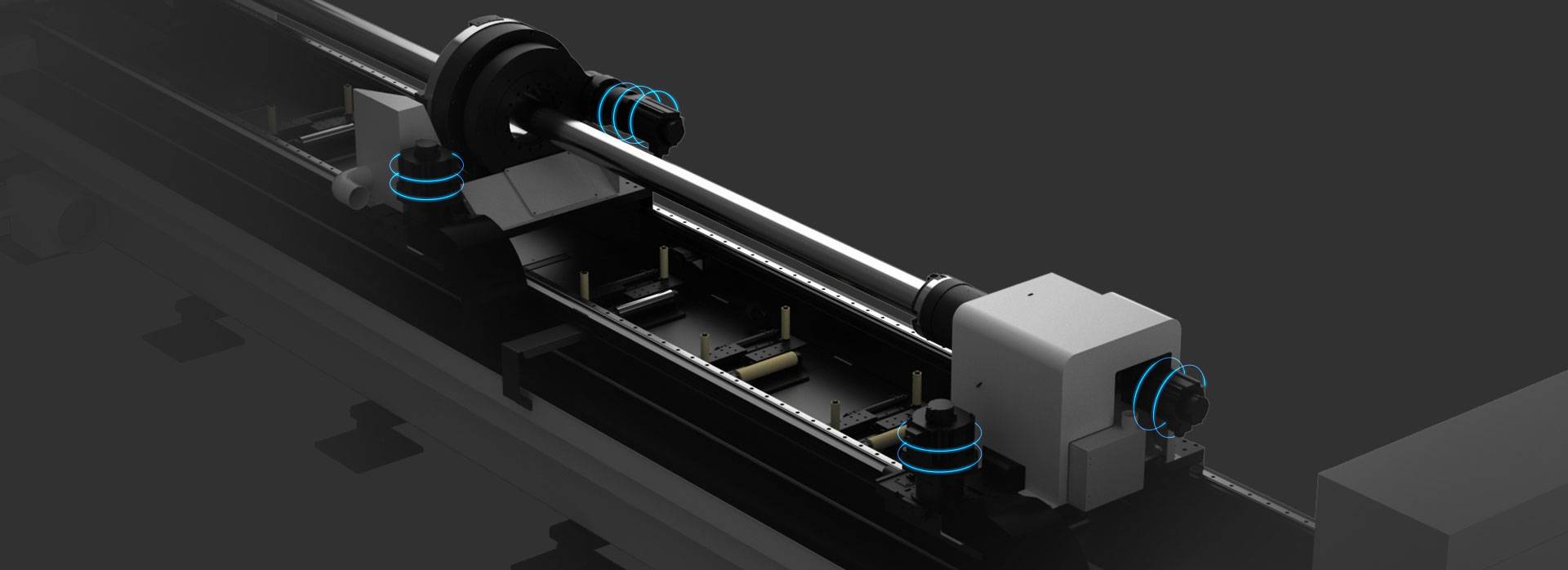 Fig 1: Horizontal chuck layout — Robust stability for standard precision tube processing.
However, because the guide rails and drive racks are positioned directly beneath the cutting zone, maintenance is critical to prevent metal dust and sparks from affecting the machine's long-term accuracy.
2. Side-mounted Layout: The Future of Automation
The Side-mounted Chuck, featured in our L240S high-performance line, represents a revolutionary cantilevered design. By mounting the chuck on the side of the machine body, it creates an entirely open workspace.
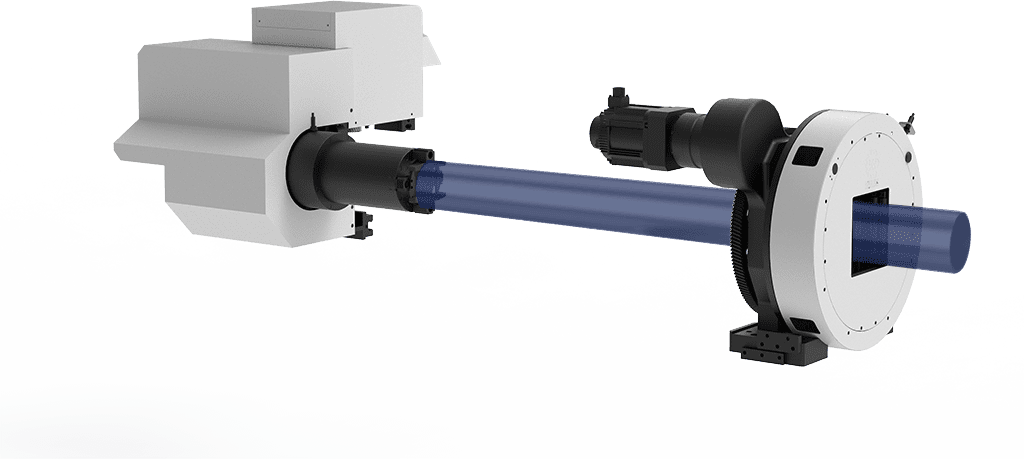 Fig 2: Side-mounted chuck layout — Superior waste clearance and seamless automation integration.
The primary advantage here is the physical isolation of drive components from cutting debris. Sparks and waste fall directly into the collection system, while the guide rails remain pristine on the side, allowing for 24/7 high-intensity production with minimal downtime.
3. Comparative Performance Analysis
| Metric | Horizontal (LT360 Style) | Side-mounted (L240S Style) |
|---|---|---|
| Automation Ease | Manual or End-loading | Side-entry (High-efficiency) |
| Maintenance | Frequent rail cleaning | Self-cleaning / Gravity clearing |
| Dynamic G-Force | Up to 1.2G | Up to 2.0G |



